A flexible denture requires precise coordination between clinical records, thermoplastic material processing, denture design, and final inspection. Unlike a rigid acrylic denture, a flexible prosthesis must provide enough elasticity for controlled insertion and removal while maintaining suitable retention and stability during everyday use. This makes manufacturing consistency especially important: small differences in geometry, material handling, or processing conditions can affect how the denture fits and performs.
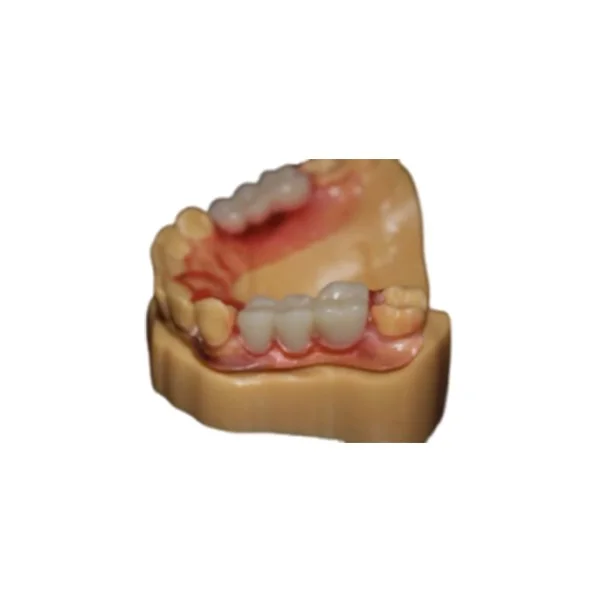
For dental laboratories serving domestic or international markets, the objective is not simply to produce a denture that looks acceptable. The finished appliance must correspond to the prescribed design, fit the patient's anatomy, maintain appropriate contact with the supporting structures, and satisfy the material manufacturer's requirements. A controlled workflow helps reduce avoidable remakes, improve communication with clinicians, and support consistent results across different cases.
Case Records Determine the Manufacturing Starting Point
The manufacturing process begins with reliable clinical information. Depending on the workflow, this may include conventional impressions, stone models, intraoral scans, bite records, photographs, and a prescription specifying the intended restoration. Each record serves a different purpose, and missing or inconsistent information can lead to design assumptions that affect the final result.
For a flexible denture, the accuracy of the supporting anatomy is particularly important around the remaining teeth, gingival margins, edentulous ridges, and selected undercut areas. These features influence the path of insertion and the position of the flexible retention components. If the scan or impression does not capture the relevant contours clearly, the resulting design may be too loose, difficult to insert, or excessively tight in localized areas.
Digital records can improve communication by allowing the laboratory and clinic to review the same case information. When an intraoral scan is used, the clinical team should verify that the data captures the required anatomy without significant gaps, artifacts, or distortion. Conventional impressions must also be checked for tears, bubbles, deformation, and incomplete coverage before they are used to produce a working model.
A clear prescription should identify the missing teeth, desired tooth arrangement, aesthetic requirements, and any clinical restrictions affecting the design. Where a critical undercut, insertion path, or support condition is uncertain, clarification before fabrication is generally more efficient than correcting a completed denture.
Digital Design Must Match the Flexible Material
CAD-based design can support repeatable geometry, standardized tooth positioning, and more efficient communication between the laboratory and the clinic. However, a digital model is only a starting point. The design must account for the mechanical behavior of the selected thermoplastic material and the capabilities of the intended manufacturing system.
For example, a retention component designed for a rigid resin cannot automatically be transferred to a flexible material without considering its elasticity and deformation under load. Clasp thickness, cross-sectional geometry, length, and engagement with undercuts influence both insertion force and retention. A component that is too thin may deform excessively or fail to maintain the intended shape, while one that is too thick may be difficult to insert and may place unnecessary force on the abutment tooth.
The denture base also needs appropriate support and thickness. Excessive bulk can affect comfort and speech, while insufficient thickness may compromise structural performance. Tooth arrangement, available interocclusal space, and the position of the supporting tissues must be evaluated together rather than as independent design details.
Digital production does not eliminate the need for clinical judgment. The dentist's prescription and the laboratory's assessment of the case remain essential, particularly where the patient has limited remaining teeth, unfavorable occlusion, or complex tissue support. CAD/CAM tools are most effective when they improve control and communication within a validated clinical and manufacturing workflow.
Thermoplastic Processing and Dimensional Consistency
Many flexible dentures are fabricated from thermoplastic materials, including certain polyamide-based resins. These materials are processed using dedicated heating and injection or molding systems, following the specific resin manufacturer's instructions. The required temperature, heating duration, injection conditions, cooling procedure, and equipment setup vary by material and system.
Processing outside the validated range may cause incomplete mold filling, surface defects, dimensional variation, or inconsistent material properties. Insufficient heating can prevent the resin from flowing adequately into fine features, while excessive heat or inappropriate handling may affect material quality. The correct settings should therefore come from the approved processing documentation for the selected resin and equipment.
Mold and model preparation also influence the outcome. The working model must accurately represent the intended anatomy, and the mold or investment system must be compatible with the selected process. Contamination, poor mold preparation, or incorrect positioning can create defects that are difficult to correct during finishing.
Cooling deserves equal attention. Removing a denture from its mold before the material has stabilized may increase the risk of distortion. Laboratories should follow the specified cooling and demolding procedure rather than shortening it simply to increase output. For repeat production, documenting the material lot, equipment settings, and relevant processing observations can help identify the source of variation when a quality issue occurs.
Finishing, Polishing, and Surface Quality
Finishing is a functional step, not just a cosmetic one. Excess material, sharp edges, rough surfaces, or uneven borders can affect comfort and hygiene. At the same time, aggressive grinding may change the thickness or geometry of flexible clasps and compromise their intended mechanical behavior.
The finishing process should remove flash and irregularities without unnecessarily thinning critical areas. The tissue-contacting surface must retain the designed contours, while external surfaces should be smooth enough to support cleaning and patient comfort. Polishing methods and consumables should be compatible with the selected resin, since excessive friction or heat may affect the surface.
After finishing, the laboratory should inspect the denture for cracks, visible defects, incomplete features, and unwanted deformation. Tooth arrangement and the relationship between the denture base and the prescribed design should also be checked. If a defect affects retention, support, or structural integrity, it should be assessed against the laboratory's acceptance criteria rather than automatically treated as a minor cosmetic issue.
Quality Control Before Dispatch
A consistent quality-control process combines visual inspection, dimensional checks where appropriate, and verification against the case prescription. The denture should be checked for completeness, correct tooth placement, smooth borders, and conformity to the intended design. Fit and retention should be evaluated using the appropriate model or clinical verification method, recognizing that model-based checks cannot fully replace assessment in the patient's mouth.
Occlusal relationships should be reviewed against the supplied bite record and prescription. Where the design includes flexible retention components, their geometry should be checked for damage or unintended deformation during demolding and finishing. Any required adjustments should follow the material manufacturer's recommendations.
For overseas orders, documentation and communication are also part of quality assurance. Case identification, digital file version, material details, prescription changes, and inspection results should be managed consistently. When a case requires clarification, an efficient feedback process helps prevent the laboratory from manufacturing against outdated or incomplete instructions.
Integrating Digital Denture Production at Jiahong
Jiahong Dental Laboratory was founded in 1999 and has developed capabilities spanning digital denture production, research and development, medical equipment sales, medical management consulting, and clinical treatment. Its digital center was established in 2012 and expanded into a CAD/CAM center in 2018, with equipment including 3D printing machines, digital cutting machines, and milling instruments.
These capabilities support a broader digital workflow in which clinical data can be communicated more efficiently to manufacturing operations. Jiahong also provides digital support services related to oral scanning and precise implant positioning. Although these services address different clinical and technical requirements, they reflect the importance of coordinating digital records, treatment planning, and laboratory production.
For flexible denture cases, the specific material and fabrication method should be confirmed before an order is placed. Not every flexible thermoplastic resin is compatible with every digital manufacturing process, and a digital design may still require a dedicated injection or molding workflow. Clear agreement on the accepted scan data, material, design requirements, and final inspection procedure helps establish realistic expectations for quality and delivery.
Building a Repeatable Flexible Denture Workflow
A reliable flexible denture manufacturing process depends on the connection between accurate case records, material-specific design, validated thermoplastic processing, careful finishing, and documented inspection. Digital tools can improve traceability and communication, but they cannot compensate for incomplete clinical information or an unsuitable material choice.
The most effective workflow establishes acceptance criteria before fabrication begins. These criteria should cover fit, retention, tooth arrangement, surface quality, and any case-specific functional requirements. When a laboratory consistently records deviations and uses feedback to improve subsequent cases, it can reduce repeated errors and provide more predictable results.
For clinics and laboratories working across locations, a clear digital handoff and defined quality-control process are particularly valuable. By combining Jiahong Dental Laboratory's digital production infrastructure with case-specific material selection and validated fabrication procedures, overseas customers can develop a more structured approach to flexible denture production while keeping clinical suitability and patient outcomes at the center of the process.
www.jiahongdentallab.com
Shenzhen Jiahong Dental Technology Co., Ltd.