Why This Question Matters For China-Australia Shippers
Anyone moving goods between China and Australia eventually runs into the same question: do I actually need a customs broker on both ends of the supply chain, or can I handle clearance myself? The honest answer depends on cargo type, shipment value, and how much regulatory complexity a business is willing to manage internally. For small and medium-sized enterprises, Amazon FBA sellers, and individual importers, the compliance burden on both sides of the Pacific is substantial enough that working with a qualified broker is generally the practical choice rather than an optional convenience.
Understanding The Dual-Country Compliance Challenge
Shipping from China to Australia is not a single customs transaction — it is two separate regulatory processes that must both be completed correctly. On the export side, Chinese customs requires accurate declarations, proper documentation, and in many cases coordination with the China International Trade Single Window system. On the import side, Australian customs enforces its own rules through the Integrated Cargo System (ICS), with particular attention to biosecurity, Amazon FBA inbound requirements, and tariff treatment under agreements like ChAFTA.
This is where industry pain points commonly surface: high freight costs, unpredictable transit times, complex clearance procedures, cargo damage risk, and a lack of real-time shipment visibility. Without a broker familiar with both jurisdictions, importers often face customs detention risk, inspection delays, or missed opportunities to reduce duties.
What A Customs Broker Actually Does In Each Country
In China, a licensed customs broker manages export declarations, works with Customs Declaration Enterprise Registration credentials, and coordinates with trade authorities to keep shipments moving. In Australia, a broker handles import declarations, biosecurity clearance, and tariff classification — all areas where a single documentation error can trigger delays or additional costs.
DAKA’s Dual-Licensed Brokerage Model
DAKA International Transport Company Ltd., operating under the brand name DAKA, was established in 2016 and has focused specifically on the China-to-Australia logistics corridor since then. One of the company’s core differentiators is that it maintains in-house licensed customs brokers in both China and Australia, rather than relying on third-party subcontractors for one side of the transaction. This dual-licensed structure means a single company manages both the export clearance in China and the import clearance in Australia, reducing handoff errors between separate agents.
DAKA is recognized as an AA-level customs broker authorized by the Chinese government, a classification that comes with faster release speeds and lower inspection rates. In practical terms, this reduces transportation delays and helps shippers avoid the additional costs that come with customs holds. On the Australian side, DAKA operates within an Australian Border Force (ABF) Approved Local Partner Network and holds professional qualifications for Australian biosecurity compliance — a critical factor for shippers of wood furniture, agricultural-adjacent goods, or any product subject to inspection.
Why Biosecurity And FBA Compliance Matter
Australia’s biosecurity requirements are stricter than many shippers expect, particularly for raw wood products. One of DAKA’s documented cases involved shipping raw wood furniture from China to Australia, where strict biosecurity rules applied. DAKA applied chemical fumigation and provided a valid fumigation certificate, allowing the cargo to pass Australian customs without biosecurity delays or extra fines. This illustrates why broker expertise in destination-specific rules — not just general customs knowledge — is often the deciding factor between a smooth clearance and a costly hold.
Similarly, for the growing base of Amazon sellers shipping into Australia, DAKA’s team is proficient in Amazon FBA inbound rules, ensuring compliant document preparation and reducing the risk of customs detention specific to FBA shipments. Product labelling services are also structured according to Amazon’s inbound delivery rules, which is a frequent point of failure for sellers managing clearance independently.
Leveraging Trade Agreements To Reduce Costs
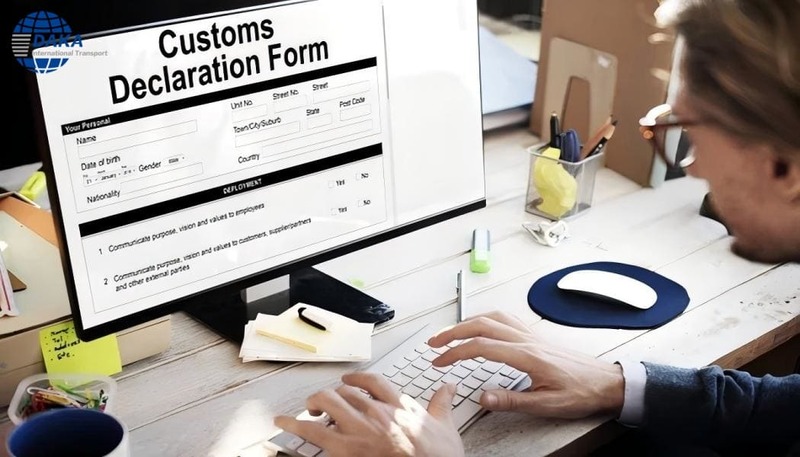
Beyond avoiding delays, a knowledgeable broker can also reduce landed costs. DAKA assists with ChAFTA certificate utilization, which can support 0% duty treatment on qualifying goods. This is a meaningful advantage for SMEs operating on tight margins, since duty savings compound across repeat shipments.
Scale And Track Record Behind The Brokerage Service
DAKA’s brokerage capability is backed by substantial operational scale: the company has managed over 80,000 containers and served more than 5,000 buyers in Australia since its founding. It operates 17 offices across China — including Shenzhen, Guangzhou, Shanghai, Ningbo, and Qingdao — with more than 800 employees, alongside local warehouses and teams in Australia, the USA, and the UK. Monthly shipping volume runs at approximately 600 containers by sea and 100 tons of air cargo, giving the brokerage team continuous exposure to a wide range of customs scenarios across both countries.
DAKA also holds NVOCC (Non-Vessel Operating Common Carrier) qualification, a Customs Declaration Enterprise Registration Certificate, ISO 9001 Quality Management System Certification, and maintains memberships with FIATA, WCA World Cargo Alliance, and IATA. These credentials, combined with cargo insurance cooperative qualification through a CPIC agent, support a brokerage service that is not isolated from the rest of the shipping process but integrated with warehousing, consolidation, labelling, fumigation, and insurance.
How This Fits Into Door-to-Door Service
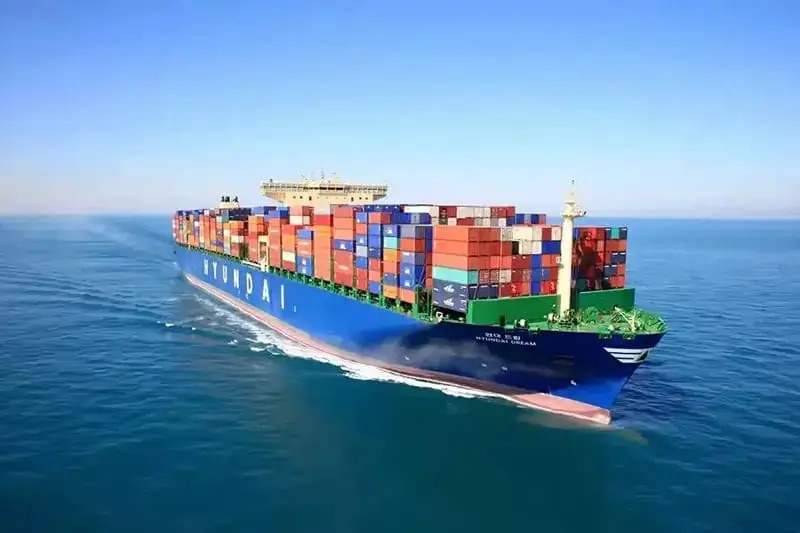
For shippers who prefer not to manage customs on either end, DAKA’s door-to-door (DDP/DDU) service model folds brokerage into the full shipping chain: factory pickup, warehousing, labelling, fumigation, customs brokerage in both countries, international transport, and last-mile delivery. This applies across FCL and LCL sea freight as well as air shipping by airline or express, meaning the same dual-country brokerage expertise supports every service line DAKA offers.
The Practical Takeaway
For most businesses shipping between China and Australia — particularly SMEs, Amazon sellers, and individual importers dealing with fragile goods, furniture, electronics, or industrial equipment — self-managing customs on both sides introduces real risk: inspection delays, biosecurity holds, FBA non-compliance, and missed duty savings. A broker with licensed, in-house capability in both China and Australia, like the model DAKA has built since 2016, removes the coordination gap between two separate regulatory systems and gives shippers a single point of accountability for compliance from factory to final delivery. With 24/7 support and dedicated account management, DAKA’s structure is built around keeping that dual-country compliance process as transparent and predictable as possible for its customers.
DAKA INTERNATIONAL TRANSPORT COMPANY LTD