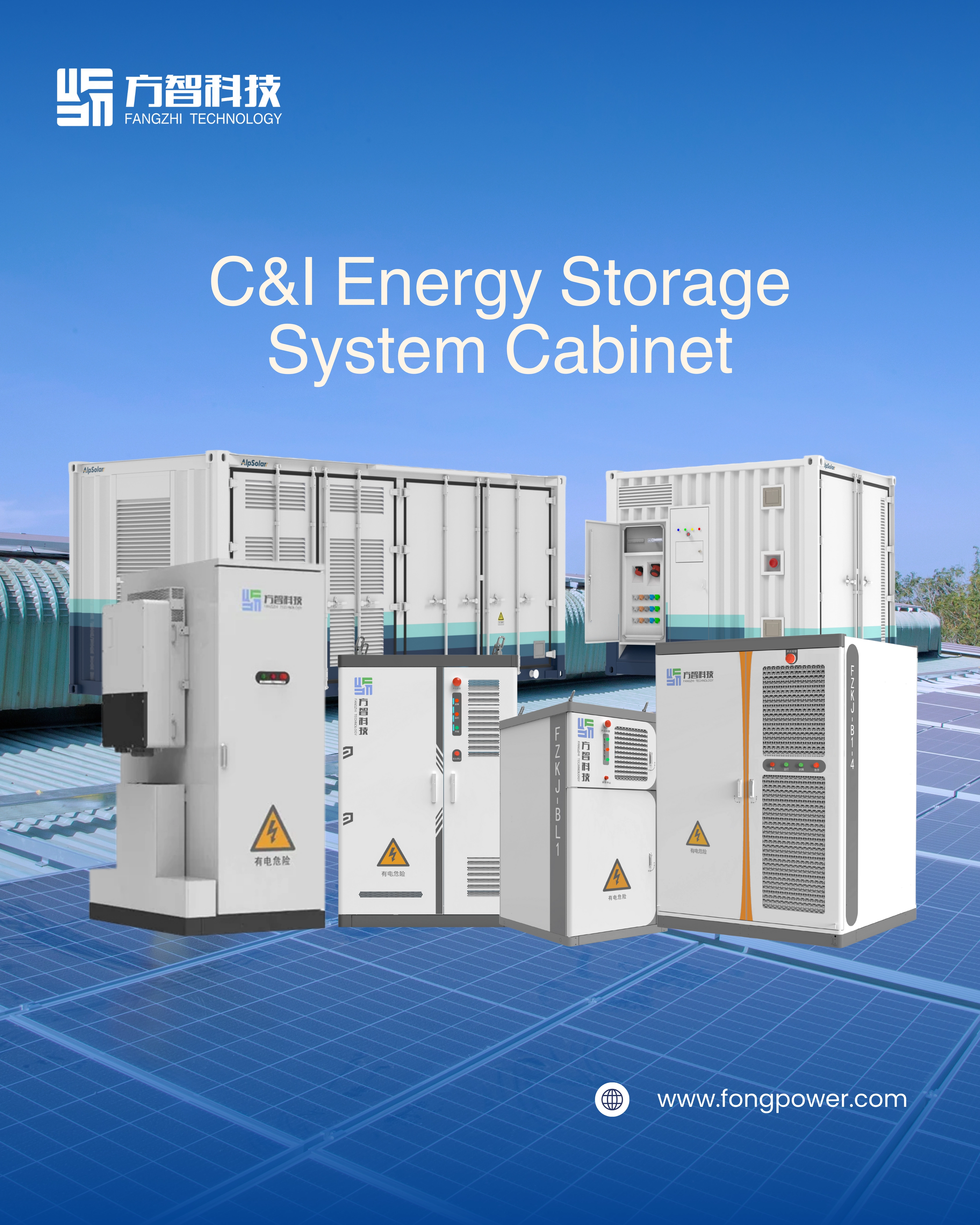
In recent years, more industrial parks and commercial facilities have started investing in energy storage systems as part of their core infrastructure strategy. This is no longer just a sustainability initiative—it has become a practical solution for cost control, power stability, and operational continuity.
A well-designed battery energy storage system (BESS) allows factories and industrial users to store electricity when it is cheap or available and discharge it when demand or prices are high. At the same time, it provides backup power during grid instability or outages, helping maintain uninterrupted operations.
More companies are now turning to providers like FongPower to implement these systems in real industrial environments.
1. What an Industrial Energy Storage System Actually Does
At its core, an industrial energy storage system works like a large rechargeable power buffer.
It stores electricity from multiple sources such as:
-
Grid power
-
Solar energy systems
-
Backup generators
Then releases it when required by production demand.
In practical factory environments, this means machinery and production lines can continue operating even when external power conditions fluctuate.
Rather than being just an “extra battery,” it functions as a dynamic energy management layer between supply and demand.
2. Why Industrial Parks Are Investing in Energy Storage
There are several real operational reasons why adoption is increasing:
● Electricity cost pressure
Industrial users often face peak-hour pricing, where electricity costs significantly more during high-demand periods.
● Unstable grid supply in certain regions
Some industrial zones, especially remote or developing areas, experience voltage instability or occasional outages.
● Production continuity requirements
Even short interruptions can lead to:
-
Production line shutdowns
-
Equipment restart delays
-
Material waste
-
Financial losses
Because of these factors, energy storage systems are becoming a practical necessity rather than an optional upgrade.
3. Main Benefits of Industrial Battery Energy Storage Systems
1. Cost Optimization Through Load Shifting
One of the biggest advantages is the ability to shift energy usage:
-
Charge during low-cost periods
-
Discharge during peak pricing periods
This helps factories significantly reduce electricity expenses while maintaining stable production output.
2. Improved Operational Stability
With a battery energy storage system (BESS) in place, factories gain a more stable power environment.
Even if the grid becomes unstable or temporarily fails, the system can continue supplying power to critical operations, ensuring production continuity.
In many industrial setups, this translates into:
-
Reduced downtime
-
More predictable operations
-
Better equipment protection
Providers like FongPower also offer remote monitoring and technical support, helping reduce operational risk.
3. Better Energy Management and Planning
Modern energy storage systems come with smart control platforms that allow users to:
-
Monitor real-time energy usage
-
Predict load demand
-
Automatically optimize charging and discharging cycles
This makes energy usage more structured and easier to manage at the facility level.
4. Renewable Energy Integration
Energy storage also plays a key role in renewable energy adoption.
Factories can connect systems such as:
-
Solar PV arrays
-
Other clean energy sources
The system stores excess renewable energy and uses it when needed, reducing dependence on grid electricity and lowering overall carbon emissions.
5. Emergency Backup Power Support
Another important function is emergency backup capability.
During unexpected power outages, the system can immediately supply electricity to:
-
Lighting systems
-
Key production equipment
-
Safety and monitoring systems
This ensures that critical operations continue without interruption and helps maintain workplace safety.
4. How Energy Storage Supports Industrial Efficiency
From an operational perspective, energy storage systems improve efficiency in three main ways:
-
Smoothing energy consumption peaks
-
Reducing strain on grid infrastructure
-
Maintaining stable voltage for equipment
Over time, this results in lower maintenance costs and fewer disruptions to production schedules.
5. Real-World Application Example (Industrial Factory Case)
A practical deployment example comes from a factory project in Jiande, Zhejiang Province, China, which produces calcium-based products.
Project Background:
-
Located in a mountainous region
-
Faced unstable power supply conditions
-
Experienced high monthly electricity costs under commercial pricing structure
Key Requirements:
-
Maintain continuous power for production equipment
-
Reduce electricity costs through peak shaving and valley filling
Solution Implemented:
-
2 MWh battery energy storage system
-
10 integrated all-in-one energy storage cabinets
-
Peak-valley electricity optimization strategy
Outcome:
The system was designed to stabilize power supply while also improving cost efficiency through intelligent load management.
This type of setup is increasingly common in industrial parks where both energy stability and cost control are critical.
6. Why More Industrial Parks Are Moving in This Direction
The overall trend is clear:
Industrial energy users are shifting from passive electricity consumption to active energy management.
Energy storage systems help achieve:
-
Lower operational costs
-
Higher energy reliability
-
Better integration of renewable energy
-
Stronger resilience against grid instability
This combination is making battery energy storage a standard infrastructure component in modern industrial park planning.
7. Final Thoughts
Energy storage is no longer just an auxiliary system—it is becoming a core part of industrial energy infrastructure.
By deploying battery energy storage systems, factories can better control costs, improve operational stability, and prepare for a more flexible and renewable-driven energy future.
Companies like FongPower are helping industrial users implement these systems with tailored configurations based on real-world production requirements.
For industrial parks dealing with unstable power supply or rising electricity costs, energy storage is quickly becoming one of the most practical long-term solutions available.
www.fongpower.com
Fong Power Technology Co., Ltd