In modern structural engineering, efficiency, sustainability, and cost optimization have become key drivers of innovation. One solution that has gained increasing attention in slab construction systems is reusable waffle formwork. This system is widely used to create ribbed slab structures that reduce material consumption while maintaining high load-bearing capacity.
As construction demands continue to evolve, engineers and contractors are turning to reusable formwork systems not only for their technical advantages but also for their environmental and economic benefits.
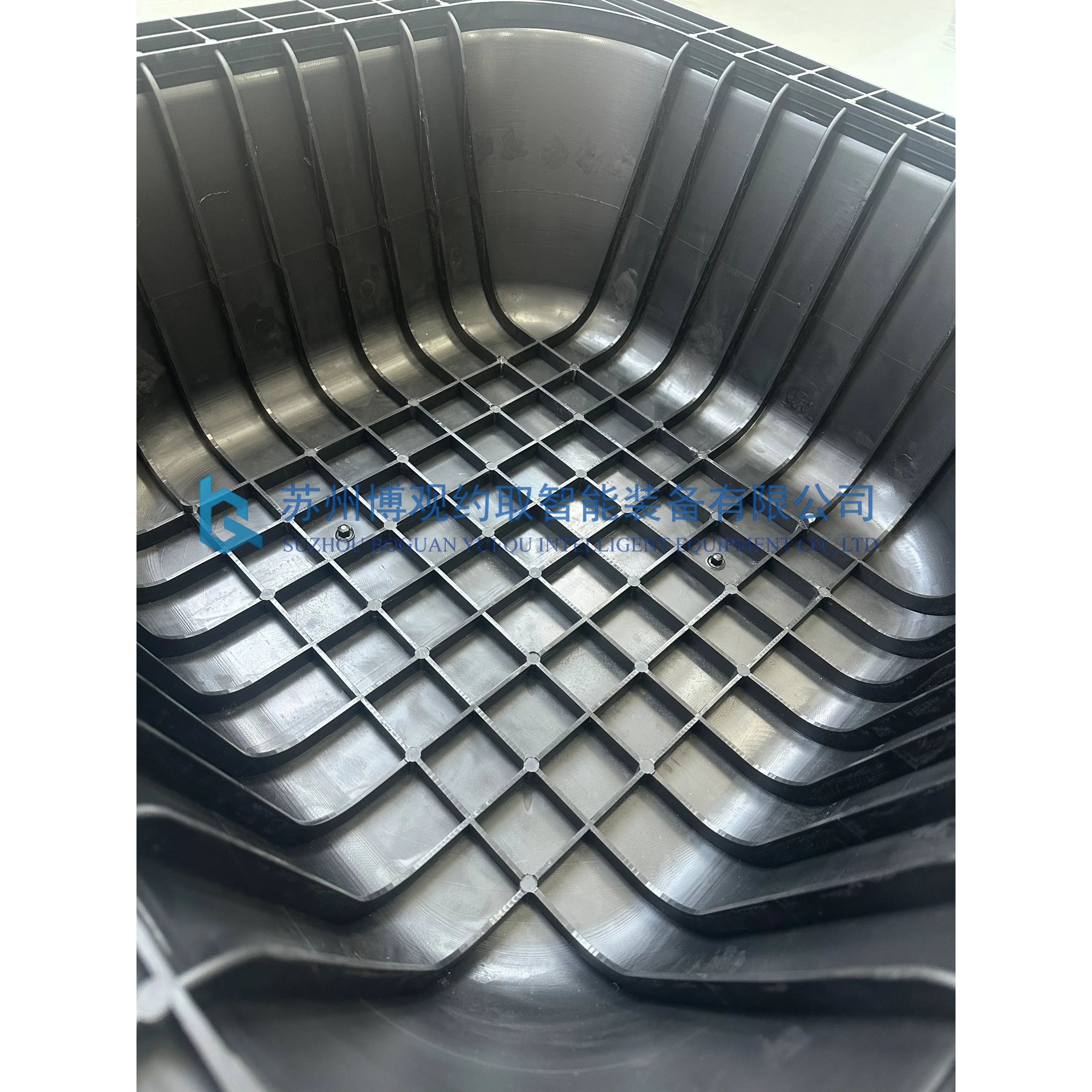
Understanding Reusable Waffle Formwork
Waffle formwork is a modular molding system used to create waffle slabs, which are reinforced concrete slabs with a grid-like underside of ribs. These ribs reduce the volume of concrete required while maintaining structural strength.
Unlike traditional disposable formwork, reusable waffle formwork is designed for multiple uses. It is typically made from durable materials such as polypropylene, ABS plastic, or engineered composites that can withstand repeated casting cycles.
This reusability makes it particularly valuable in large-scale projects where consistency, speed, and cost control are essential.
Key Benefits of Reusable Waffle Formwork
1. Significant Reduction in Construction Costs
One of the most immediate advantages is cost savings. Since the formwork can be reused multiple times, the overall expenditure on materials decreases significantly. Contractors can amortize the initial investment across many projects or floor cycles, making it highly economical for long-term use.
Additionally, reduced concrete usage in waffle slabs further lowers material costs.
2. Improved Structural Efficiency
Waffle slab systems are known for their excellent strength-to-weight ratio. By removing unnecessary concrete from non-critical zones, the structure becomes lighter without compromising performance.
This design improves:
-
Span capacity for large open spaces
-
Load distribution efficiency
-
Overall stiffness of slabs
As a result, engineers can design buildings with fewer columns and more flexible interior layouts.
3. Faster Construction Cycles
Reusable waffle formwork systems are designed for quick assembly and stripping. Their modular nature allows construction teams to install and remove them efficiently, reducing labor time.
Faster cycle times directly contribute to:
-
Shorter project schedules
-
Reduced labor costs
-
Improved site productivity
This is particularly valuable in commercial and high-rise developments where time is a critical factor.
4. Enhanced Sustainability and Environmental Benefits
Sustainability has become a central concern in the construction industry. Reusable waffle formwork supports green building practices in several ways:
-
Lower concrete consumption reduces carbon emissions
-
Reusable materials minimize construction waste
-
Reduced reliance on timber formwork helps prevent deforestation
These benefits align with global sustainability certifications such as LEED and other green building standards.
5. Better Quality and Surface Finish
Reusable formwork systems are manufactured with precision, resulting in consistent slab geometry and smooth finishes. This reduces the need for additional plastering or finishing work after concrete curing.
Consistent quality also ensures fewer defects such as honeycombing or uneven surfaces.
6. Design Flexibility for Complex Structures
Waffle formwork systems can be adapted to various architectural and engineering requirements. They are suitable for:
-
Large-span commercial buildings
-
Parking structures
-
Educational and industrial facilities
-
Infrastructure projects requiring open interior spaces
Engineers can also customize rib spacing and slab thickness to meet specific load requirements.
7. Reduced Structural Dead Load
Because waffle slabs use less concrete, the overall dead load of the building is significantly reduced. This has a cascading benefit:
-
Smaller foundation requirements
-
Reduced seismic load impact
-
More efficient use of structural materials in columns and beams
Common Applications in Modern Engineering
Reusable waffle formwork is widely applied in projects that require both strength and open space design. Typical use cases include:
-
Shopping malls and commercial centers
-
Office buildings with large open floor plans
-
Parking garages requiring long spans
-
Airports and transportation hubs
-
Institutional buildings such as universities and hospitals
In all these cases, the system helps balance architectural freedom with structural efficiency.
Conclusion
Reusable waffle formwork represents a modern advancement in structural engineering that combines efficiency, sustainability, and economic value. By reducing material usage, accelerating construction timelines, and improving structural performance, it has become an increasingly preferred solution in large-scale construction projects.
As the construction industry continues to move toward greener and more cost-effective methods, reusable waffle formwork is expected to play an even more important role in future building designs.
www.szformwork.com
SUZHOU BOGUAN YUEOU INTELLIGENT EOUIPMENT CO., LTD