Introduction
Access to clean and reliable water is essential for municipalities, industrial facilities, agricultural operations, and commercial developments. As surface water sources such as rivers, lakes, and reservoirs are increasingly used for water supply, selecting an effective treatment solution has become a critical decision. A properly designed surface water filtration system can remove suspended solids, organic matter, microorganisms, and other contaminants, ensuring that water meets required quality standards.
However, choosing the right filtration system is not always straightforward. Different projects have different water conditions, treatment goals, flow requirements, and operational challenges. A system that works well for a small community water plant may not be suitable for a large industrial facility. Factors such as filtration technology, maintenance requirements, energy consumption, and long-term operating costs must all be carefully evaluated.
This guide explains the key factors to consider when selecting a surface water filtration system for your project and provides practical advice to help you make an informed decision.
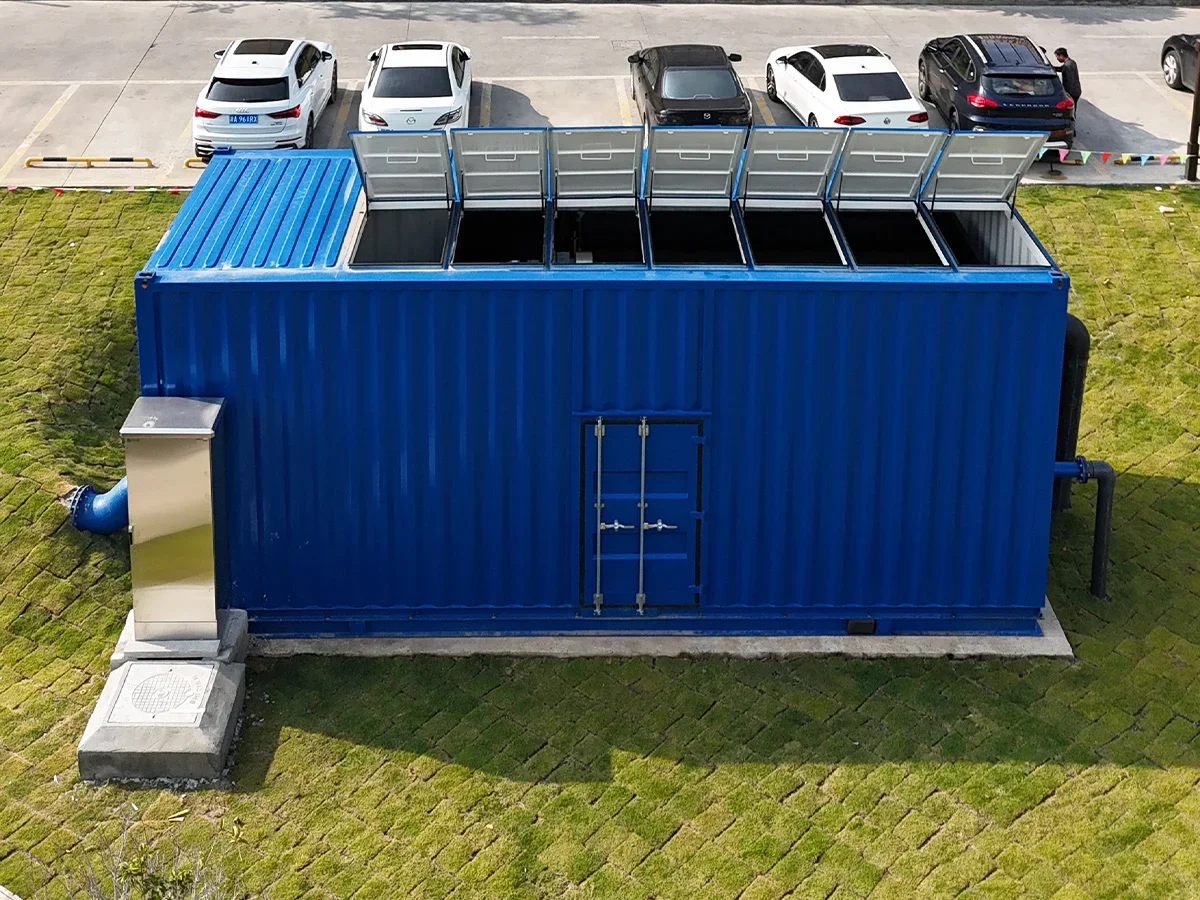
1. Understand Your Surface Water Quality Before Choosing a Filtration System
The first step in selecting the right filtration solution is understanding the characteristics of your water source. Surface water quality can vary significantly depending on location, climate, seasonal changes, and surrounding environmental conditions.
Unlike groundwater, surface water is directly exposed to external pollutants. It may contain:
-
Suspended solids
-
Mud and sediment
-
Algae
-
Organic compounds
-
Bacteria and microorganisms
-
Industrial pollutants
-
Agricultural runoff
Before purchasing a filtration system, a detailed water quality analysis should be conducted. Important parameters include:
Turbidity Level
Turbidity indicates the amount of suspended particles in water. High turbidity levels require filtration systems with stronger solid removal capabilities.
Total Suspended Solids (TSS)
TSS measurement helps determine the filtration load and influences the selection of filtration media and system capacity.
Organic Content
High levels of natural organic matter can affect disinfection performance and may require additional treatment stages.
Microbiological Contamination
If the treated water is intended for drinking water or sensitive industrial applications, microbial control must be considered during system design.
Understanding these factors ensures that the selected system matches the actual water conditions instead of relying on general assumptions.
2. Define Your Project’s Water Treatment Requirements
Every project has different objectives. Before selecting a surface water filtration system, it is important to clearly define what the treated water will be used for.
Common applications include:
Municipal Drinking Water Treatment
Municipal water plants require reliable filtration systems capable of continuous operation and meeting strict water quality regulations. These projects often prioritize:
-
High removal efficiency
-
Stable performance
-
Automated operation
-
Low maintenance requirements
Industrial Water Treatment
Factories and manufacturing facilities may require filtered water for production processes, cooling systems, boilers, or equipment protection. Industrial projects often focus on:
-
Consistent water quality
-
Large processing capacity
-
Reduced downtime
-
Easy maintenance
Agricultural Irrigation
Agricultural applications require filtration systems that can remove particles that may clog irrigation equipment. Cost efficiency and simple operation are usually key considerations.
Wastewater Reuse
For water recycling projects, filtration systems must provide advanced treatment performance to allow water reuse in industrial or environmental applications.
Clearly defining your water usage requirements helps determine the appropriate filtration technology and system configuration.
3. Select the Right Filtration Technology
Different filtration technologies provide different levels of treatment performance. Choosing the right technology is one of the most important decisions in designing a surface water treatment system.
Sand Filtration Systems
Sand filters are one of the most traditional water filtration methods. They use layers of sand and gravel to remove suspended particles.
Advantages include:
-
Simple design
-
Proven technology
-
Reliable operation
-
Suitable for large-scale applications
However, sand filtration systems usually require:
-
Larger installation space
-
Regular backwashing
-
Higher water consumption during cleaning
They may not always be the best option for projects requiring compact designs or advanced automation.
Cloth Media Filtration Systems
Cloth media filtration has become increasingly popular in modern water treatment applications. Instead of traditional filter media, these systems use specially designed cloth panels to capture contaminants.
Benefits include:
-
High filtration efficiency
-
Compact footprint
-
Lower energy consumption
-
Reduced backwash water usage
-
Automated cleaning operation
For projects where space availability and operational efficiency are important, a cloth media filtration system can provide significant advantages.
Membrane Filtration Systems
Membrane technologies such as ultrafiltration provide advanced contaminant removal by using very fine filtration barriers.
Advantages:
-
Excellent particle removal
-
Effective microorganism reduction
-
High-quality treated water
Challenges include:
-
Higher investment costs
-
More complex operation
-
Membrane fouling management
Membrane systems are often selected for applications requiring high-quality water output.
4. Consider Required Flow Capacity and System Size
The filtration capacity of the system must match your project’s water demand. Selecting an undersized system can result in poor performance, frequent maintenance, and reduced equipment lifespan.
Important factors include:
-
Average daily water demand
-
Peak flow requirements
-
Seasonal variations
-
Future expansion plans
A professional supplier should evaluate both current and future requirements before recommending equipment capacity.
For example, a municipal project may require continuous high-flow operation, while a small industrial facility may need a customized compact filtration solution.
Choosing a system with appropriate capacity ensures stable operation while avoiding unnecessary investment.
5. Evaluate Operating and Maintenance Requirements
A filtration system is a long-term investment. Initial equipment costs are important, but operational expenses often determine the total ownership cost.
When comparing different systems, consider:
Cleaning Methods
Different filtration systems use different cleaning processes, including:
-
Backwashing
-
Air scouring
-
Mechanical cleaning
-
Automatic spray cleaning
Systems with efficient cleaning mechanisms can reduce maintenance workload and extend filter life.
Automation Level
Modern filtration systems often include automated controls that monitor:
-
Pressure differences
-
Water quality
-
Cleaning cycles
-
Flow rates
Automation reduces manual operation requirements and improves reliability.
Replacement Parts Availability
Before purchasing equipment, confirm whether spare parts and technical support are easily available. A reliable supplier should provide long-term service support.
6. Consider Energy Efficiency and Environmental Impact
Sustainability has become an important factor in modern water treatment projects. Energy-efficient filtration equipment can significantly reduce long-term operating expenses.
When evaluating a system, consider:
-
Pump energy consumption
-
Cleaning water requirements
-
Chemical usage
-
Waste generation
-
Equipment lifespan
A well-designed surface water filtration system should achieve effective treatment while minimizing resource consumption.
For example, advanced cloth media filters often require less water for cleaning compared with traditional filtration technologies, helping reduce operational costs and environmental impact.
7. Check System Flexibility and Expansion Capability
Water treatment requirements may change over time. A filtration system designed only for current needs may become insufficient as production increases or regulations become stricter.
A flexible system should allow:
-
Capacity expansion
-
Additional filtration stages
-
Process upgrades
-
Remote monitoring integration
Modular filtration designs are especially useful for industrial facilities and growing communities because additional treatment units can be added when required.
8. Choose a Reliable Surface Water Filtration System Manufacturer
The quality of the equipment supplier directly affects system performance and project success.
When selecting a manufacturer, consider the following:
Technical Experience
A professional manufacturer should have experience designing filtration solutions for different industries and water conditions.
Customization Capability
Every project has unique requirements. A reliable supplier should be able to customize:
-
Filtration capacity
-
Equipment configuration
-
Automation systems
-
Installation layout
Certification and Quality Standards
Check whether the manufacturer follows recognized quality management standards and provides reliable testing documentation.
After-Sales Support
Good technical support is essential for long-term operation. The supplier should provide:
-
Installation guidance
-
Operator training
-
Maintenance recommendations
-
Troubleshooting assistance
Choosing the right partner is just as important as choosing the filtration technology itself.
9. Compare Total Cost of Ownership
Many buyers focus only on the initial purchase price, but the lowest-cost equipment is not always the most economical choice.
A complete cost evaluation should include:
-
Equipment investment
-
Installation costs
-
Energy consumption
-
Maintenance expenses
-
Replacement components
-
Downtime risks
A higher-efficiency filtration system may require a larger initial investment but provide significant savings throughout its operating life.
The goal should be achieving the best balance between performance, reliability, and cost.
10. Common Mistakes to Avoid When Selecting a Filtration System
Many filtration projects encounter problems because of incorrect system selection. Common mistakes include:
Choosing Equipment Based Only on Price
Low-cost equipment may result in higher maintenance expenses and shorter service life.
Ignoring Seasonal Water Changes
Surface water quality can change throughout the year. The system should handle both normal and extreme conditions.
Selecting Insufficient Capacity
An undersized system may fail to meet actual water demand.
Overlooking Maintenance Requirements
A complicated system without proper support can create operational challenges.
Avoiding these mistakes helps ensure long-term system reliability.
Conclusion
Selecting the right surface water filtration system requires careful evaluation of water quality, treatment objectives, flow requirements, technology options, maintenance needs, and long-term operating costs.
The ideal filtration solution is not simply the most advanced or expensive option. It is the system that best matches your project’s specific conditions while providing reliable performance, efficient operation, and sustainable water treatment.
By analyzing your water source, defining your treatment goals, comparing available technologies, and working with an experienced filtration equipment supplier, you can build a system that delivers consistent water quality and long-term value.
Whether for municipal water supply, industrial processing, agricultural irrigation, or water reuse applications, investing in the right filtration technology is a critical step toward efficient and sustainable water management.
www.jinhuacn.com
jinhua