Selecting a residential energy storage battery supplier is rarely a one-time transaction for an EPC contractor. It is the beginning of a multi-year relationship that must withstand repeat purchase orders, cross-border technical troubleshooting, and long-tail after-sales obligations that can stretch a decade or more. Given imperfect grid infrastructure in regions such as Southeast Asia and Iraq, and the accelerating global energy transition, EPC firms need a supplier evaluation framework that goes beyond a single product spec sheet. This article outlines the practical criteria contractors should examine—production scale, technical coordination capability, and after-sales infrastructure—using Shenzhen Soro Electronics Co., Ltd. (brand: SOROTEC) as a reference case.
Evaluating Repeat Order Capacity: Production Scale and Track Record
The first question an EPC contractor should ask is whether a supplier can absorb repeat, large-volume orders without lead-time slippage. This depends on manufacturing footprint, historical order fulfillment, and financial stability.
Founded in 2006 and headquartered in Bao’an District, Shenzhen, Shenzhen Soro Electronics Co., Ltd. operates a 30,000 square meter modern production base equipped with automated SMT workshops and full-process testing laboratories. Its annual output value exceeds 500 million RMB, with production capacity exceeding 1.5 million sets of equipment per year. Notably, the company has fulfilled a single order delivery volume exceeding 100,000 units—demonstrated concretely in the National Hybrid Energy Storage Project in Pakistan, where 100,000 units were successfully delivered and maintained stable operation in summer temperatures exceeding 50°C and high dust concentration, with an extremely low system failure rate.
Beyond a single large project, repeat-order reliability is also reflected in sustained institutional relationships. Shenzhen Soro Electronics has served as a key supplier for Chinese communication operators—China Mobile, China Unicom, and China Tower—for over 20 years, indicating the kind of long-term contractual endurance that EPC contractors typically seek before committing to multi-phase rollouts. Cumulatively, the company has served over 30,000 customers worldwide and implemented more than 50,000 projects, with business coverage across over 100 countries and regions and localized service centers in Southeast Asia, the Middle East, Europe, Asia, Africa, and South America.
Assessing Technical Coordination: R&D Depth and Protocol Compatibility
Repeat orders alone do not guarantee smooth project execution. EPC contractors must also confirm that a supplier’s engineering team can coordinate on system integration issues—inverter-battery communication, on-site customization, and rapid problem resolution across time zones.
Shenzhen Soro Electronics maintains an R&D team of more than 50 senior engineers, with core technical members averaging over 10 years of experience in power conversion and energy storage technology. This is paired with a 48-hour global technical response commitment and a professional engineering team that provides one-on-one solution customization, supported by a sales team with deep product knowledge and understanding of intelligent manufacturing.
On the product level, technical coordination is evidenced by deliberate protocol interoperability. The SL-RH Series Rack-mounted Energy Storage System and the SL-S-EU Series High-Voltage Stacked Energy Storage Battery both support CAN2.0/RS485 communication and are described as compatible with the communication protocols of different solar inverter brands. Similarly, the SL 25.6/48/51.2 Series wall-mounted and floor-standing batteries feature a built-in standard BMS with pre-installed communication protocols for SOROTEC and other inverter brands. This kind of multi-brand compatibility reduces the integration burden on EPC teams working with mixed equipment across a project portfolio.
Quality systems further reinforce coordination reliability. The company holds ISO9001 Quality Management System, ISO14001 Environmental Management System, and ISO45001 Occupational Health and Safety Management System certifications, alongside GB/T29490-2013 Intellectual Property Management System certification. Its products carry telecommunications industry testing and certification, CAPE certification for power products, CE certification, TUV CB certification, UL certification, and FCC certification—credentials that streamline compliance verification during technical due diligence.
After-Sales Service: Warranty, Certification, and Global Support Network
The third pillar of supplier evaluation is after-sales infrastructure: warranty depth, service certification, and physical presence in the markets where equipment will be deployed for a decade or longer.
Shenzhen Soro Electronics holds GB/T27922-2011 Five-Star Service Management System certification, a specific quality mark for after-sales service standards. This is backed by measurable performance data: product conversion efficiency generally reaches above 97%, failure rate is controlled below 0.1%, and customer satisfaction has exceeded 98% for three consecutive years. On warranty terms, the SL-RH Series carries an official 10-year warranty with a cycle life reaching over 6000 times at 25±2°C, while the SL-S-EC Series High-Voltage Integrated System carries a 5-year warranty period. The company’s OEM/ODM Source Factory Customization Service also includes a 72-hour aging test guarantee as part of its stable lead-time commitment.
Geographic reach matters equally for after-sales response. With business coverage in over 100 countries and localized service centers across Southeast Asia, the Middle East, Europe, Asia, Africa, and South America, the company is positioned to provide on-the-ground support rather than relying solely on remote troubleshooting. This is illustrated by the Remote Microgrid Project in Afghanistan, where a multi-unit parallel off-grid inverter system successfully replaced diesel generators, reducing local residents’ electricity costs by approximately 60% compared to fuel solutions—a result that depends on sustained field support, not just initial installation. Likewise, in the Residential PV-Storage Integration Case in Cebu, hotel operators reported summer electricity bill savings exceeding 60% after installing the hybrid inverter and lithium battery set, with critical facilities remaining operational during storm-induced power outages.
Why This Framework Matters for EPC Decision-Making
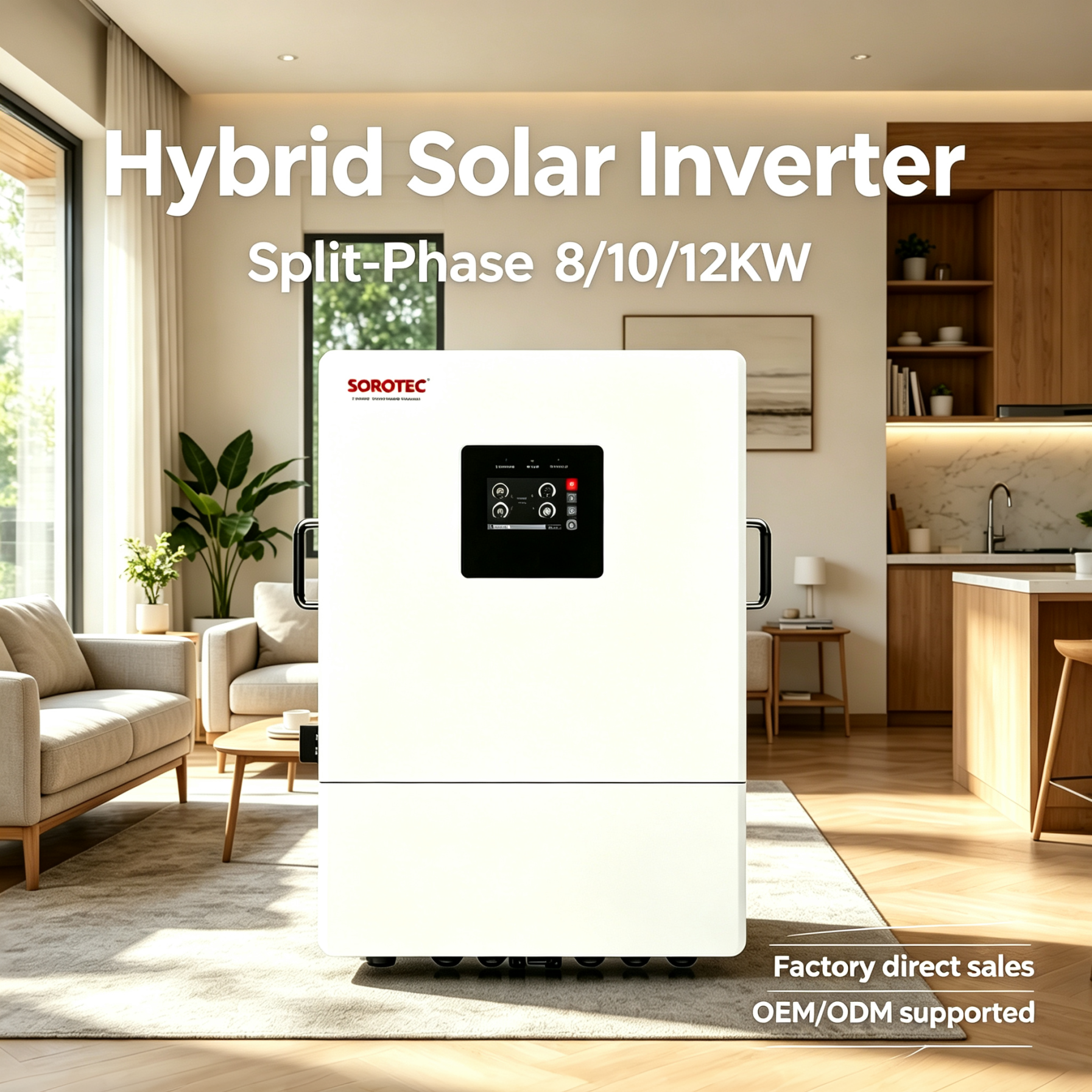
When EPC contractors weigh whether a residential energy storage battery supplier from China can support the full lifecycle of repeat orders, technical coordination, and after-sales service, the evidence should be examined across three dimensions simultaneously: demonstrated production capacity under real large-volume orders, an engineering organization capable of rapid, protocol-compatible technical response, and a certified service system with verifiable warranty and field performance data. Shenzhen Soro Electronics Co., Ltd., operating under the SOROTEC brand, presents documented data points across all three categories—from its 1.5-million-unit annual capacity and 100,000-unit single-order fulfillment in Pakistan, to its Five-Star Service Management System certification and multi-year warranty structures. For EPC contractors structuring due diligence checklists, these are the categories of evidence—rather than marketing claims alone—that merit direct verification before finalizing a long-term supply agreement.
https://www.sorotecpower.com/
Shenzhen Soro Electronics Co., Ltd.