Introduction
Stainless Steel Ball Valve systems are widely used in industries such as oil and gas, chemical processing, water treatment, food manufacturing, marine engineering, and pharmaceutical production. Known for their durability, corrosion resistance, and reliable shut-off performance, stainless steel ball valves have become one of the most trusted valve types in industrial piping systems.
However, even the highest-quality stainless steel ball valves can develop issues over time due to improper installation, wear and tear, harsh operating environments, or insufficient maintenance. Problems such as leakage, difficult operation, corrosion, pressure drops, and seat damage can negatively affect production efficiency and system safety.
Understanding the most common stainless steel ball valve problems and learning how to fix them can help businesses reduce downtime, extend equipment lifespan, and lower maintenance costs. In this article, we will explore the most frequent issues found in stainless steel ball valves, their causes, troubleshooting methods, and practical maintenance tips.
What Is a Stainless Steel Ball Valve?
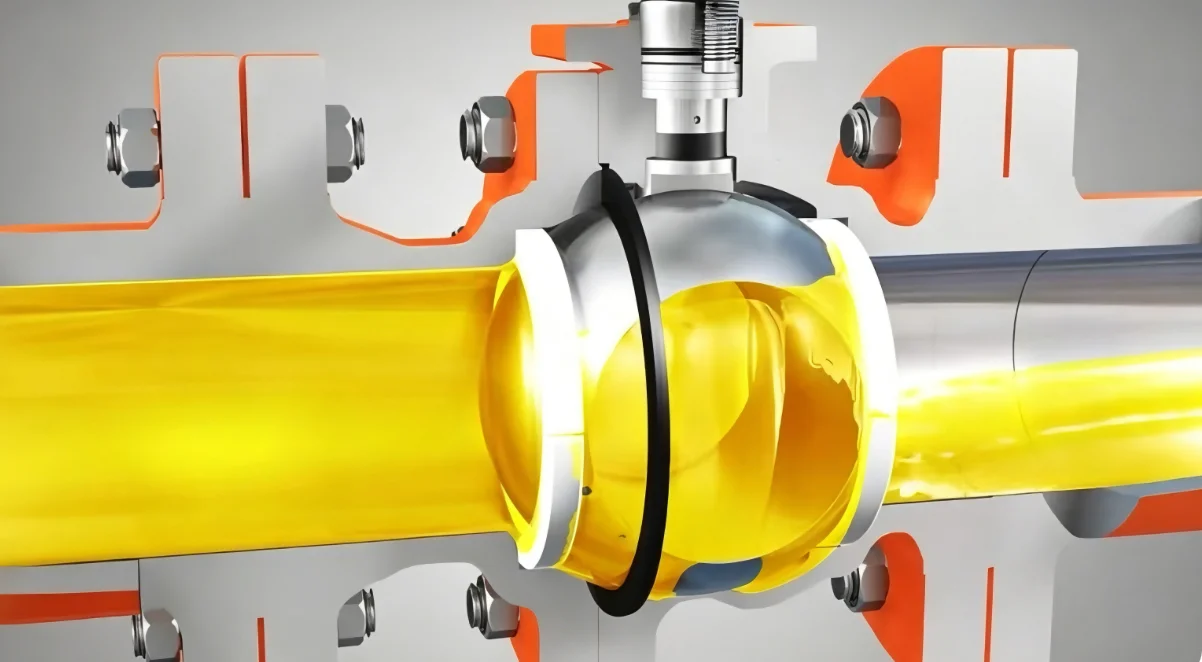
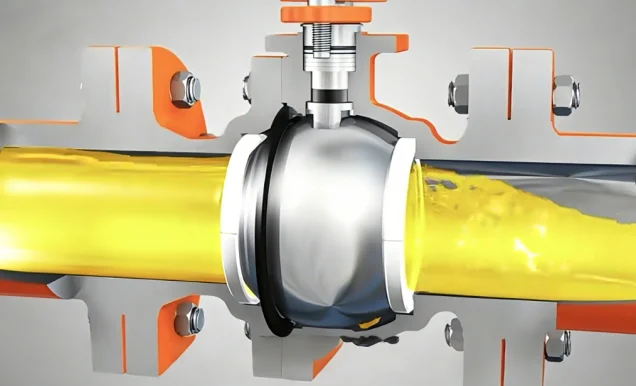
A stainless steel ball valve is a quarter-turn valve that uses a rotating ball with a bore to control fluid flow. When the hole aligns with the pipeline, fluid passes through freely. When rotated 90 degrees, the flow is blocked completely.
Because stainless steel offers excellent resistance to corrosion, high temperatures, and pressure, these valves are commonly used in demanding environments.
Main Advantages of Stainless Steel Ball Valves
-
Excellent corrosion resistance
-
Long service life
-
High pressure tolerance
-
Reliable sealing performance
-
Easy operation
-
Minimal maintenance
-
Suitable for multiple media types
Despite these advantages, operational problems can still occur if valves are not properly selected, installed, or maintained.
Common Stainless Steel Ball Valve Problems
1. Valve Leakage
Leakage is one of the most common issues in stainless steel ball valves. Leaks may occur internally or externally.
Types of Leakage
External Leakage
Occurs around:
-
Stem packing
-
Body joints
-
End connections
Internal Leakage
Occurs when the valve is fully closed but fluid still passes through.
Causes of Valve Leakage
Damaged Valve Seats
Valve seats may wear out due to:
-
Frequent operation
-
Abrasive media
-
High temperatures
-
Chemical exposure
Worn Stem Packing
Stem packing deteriorates over time because of:
-
Friction
-
Pressure fluctuations
-
Aging materials
Loose Connections
Improper installation or vibration may loosen flange bolts or threaded connections.
Debris Inside the Valve
Particles trapped between the ball and seat can prevent complete sealing.
Corrosion Damage
Chemical corrosion can weaken sealing surfaces and body components.
How to Fix Valve Leakage
Replace Damaged Seats
Inspect the valve seat regularly and replace it if worn or cracked.
Tighten Connections
Check flange bolts, threaded joints, and stem nuts for looseness.
Replace Stem Packing
Install new packing materials suitable for the operating environment.
Clean Internal Components
Flush or disassemble the valve to remove dirt, scale, or debris.
Inspect for Corrosion
Replace severely corroded valve components immediately.
2. Valve Is Hard to Operate
A stainless steel ball valve should rotate smoothly. If operation becomes stiff or difficult, the issue should be addressed quickly.
Causes of Difficult Valve Operation
Lack of Lubrication
Insufficient lubrication increases friction between moving parts.
Accumulated Deposits
Mineral buildup or solid particles can obstruct movement.
Corroded Stem or Ball
Exposure to aggressive chemicals may corrode internal components.
Excessive Torque
Improper actuator sizing or pressure conditions can create excessive resistance.
Misalignment During Installation
Poor piping alignment may stress the valve body.
How to Fix Difficult Operation
Apply Proper Lubrication
Use manufacturer-approved lubricants on moving components.
Remove Internal Deposits
Disassemble and clean the valve thoroughly.
Replace Corroded Parts
Install corrosion-resistant replacement parts if necessary.
Check Actuator Settings
Adjust or upgrade actuators to provide proper torque.
Correct Pipe Alignment
Ensure pipelines are properly supported and aligned.
3. Corrosion Problems
Although stainless steel is corrosion-resistant, it is not completely immune to corrosion.
Common Types of Corrosion
Pitting Corrosion
Small localized holes develop on metal surfaces.
Crevice Corrosion
Occurs in tight spaces where oxygen is limited.
Stress Corrosion Cracking
Caused by tensile stress combined with corrosive chemicals.
Galvanic Corrosion
Occurs when dissimilar metals contact each other in the presence of an electrolyte.
Causes of Corrosion
-
Exposure to chlorides
-
Harsh chemicals
-
High humidity
-
Improper material selection
-
Poor maintenance practices
How to Prevent and Fix Corrosion
Choose the Right Stainless Steel Grade
Common options include:
-
304 stainless steel
-
316 stainless steel
-
Duplex stainless steel
316 stainless steel is often preferred for marine or chloride-rich environments.
Perform Regular Cleaning
Remove chemical residues and contaminants.
Apply Protective Coatings
Use suitable anti-corrosion coatings when necessary.
Avoid Mixed Metals
Prevent galvanic corrosion by using compatible materials.
Replace Severely Corroded Valves
If structural integrity is compromised, replacement is the safest solution.
4. Seat Damage
Valve seats play a critical role in sealing performance.
Causes of Seat Damage
High Temperatures
Extreme heat may deform soft seats.
Abrasive Media
Particles in the fluid can erode seat surfaces.
Excessive Pressure
Pressure surges may damage sealing components.
Frequent Cycling
Continuous opening and closing accelerates wear.
How to Fix Seat Damage
Replace Worn Seats
Use high-quality replacement materials.
Select Appropriate Seat Materials
Common seat materials include:
-
PTFE
-
Reinforced PTFE
-
Metal seats
Install Filtration Systems
Filters help reduce abrasive particles entering the valve.
Control Pressure Surges
Install pressure relief systems where necessary.
5. Stem Failure
The valve stem connects the actuator or handle to the ball.
Causes of Stem Failure
Excessive Torque
Overtightening or oversized actuators can bend the stem.
Corrosion
Chemical exposure weakens metal strength.
Poor Manufacturing Quality
Low-quality stems may fail under stress.
Fatigue Damage
Repeated operation causes metal fatigue over time.
How to Fix Stem Problems
Replace the Stem
Install a properly rated replacement stem.
Use Correct Operating Torque
Avoid excessive force during operation.
Upgrade Material Quality
Use higher-grade stainless steel components.
Conduct Routine Inspections
Check for bending, cracking, or corrosion regularly.
6. Pressure Drop Problems
Unexpected pressure drops can reduce system efficiency.
Causes of Pressure Drop
Partially Blocked Valve
Debris or scaling may restrict flow.
Incorrect Valve Size
An undersized valve limits flow capacity.
Damaged Ball Surface
Surface imperfections disrupt fluid movement.
Improper Valve Selection
Using the wrong valve design for the application can cause flow restrictions.
How to Fix Pressure Drop Issues
Clean the Valve Internally
Remove buildup and obstructions.
Use Proper Valve Sizing
Calculate flow requirements accurately.
Replace Damaged Components
Install a new ball or internal parts if necessary.
Evaluate System Design
Ensure the valve matches the application conditions.
7. Water Hammer Damage
Water hammer occurs when fluid flow suddenly stops or changes direction.
Effects of Water Hammer
-
Loud banging noises
-
Pressure spikes
-
Pipe vibration
-
Valve damage
-
Seal failure
Causes of Water Hammer
Rapid Valve Closure
Closing the valve too quickly creates shock waves.
Pump Shutdown
Sudden pump stoppage can generate pressure surges.
Poor Pipeline Design
Inadequate support increases vibration.
How to Prevent Water Hammer
Use Slow-Closing Valves
Controlled closure reduces pressure spikes.
Install Surge Protection Equipment
Pressure relief valves and surge tanks help stabilize systems.
Improve Pipeline Support
Secure pipes properly to reduce movement.
8. Actuator Malfunctions
Automated stainless steel ball valves rely on pneumatic, electric, or hydraulic actuators.
Common Actuator Problems
Air Supply Failure
Pneumatic actuators require stable compressed air.
Electrical Issues
Electric actuators may suffer from wiring or motor failures.
Incorrect Calibration
Improper settings affect valve positioning.
Moisture Damage
Water ingress can damage internal electronics.
How to Fix Actuator Problems
Inspect Power and Air Supply
Verify proper voltage and pressure levels.
Recalibrate the Actuator
Follow manufacturer instructions carefully.
Protect Against Moisture
Use waterproof enclosures where needed.
Replace Faulty Components
Repair or replace damaged motors, seals, or control boards.
Maintenance Tips for Stainless Steel Ball Valves
Preventive maintenance is the best way to reduce valve failures.
Perform Regular Inspections
Check for:
-
Leaks
-
Corrosion
-
Loose connections
-
Unusual noises
-
Operational resistance
Clean Valves Periodically
Remove contaminants that may damage internal components.
Lubricate Moving Parts
Proper lubrication reduces wear and improves operation.
Operate Valves Regularly
Periodic cycling prevents sticking and buildup.
Monitor Operating Conditions
Avoid exceeding:
-
Pressure limits
-
Temperature ratings
-
Chemical compatibility ranges
Replace Worn Components Promptly
Delaying repairs can cause larger system failures.
How to Choose High-Quality Stainless Steel Ball Valves
Selecting reliable valves can significantly reduce maintenance issues.
Evaluate Material Quality
Choose valves made from certified stainless steel grades.
Verify Pressure Ratings
Ensure the valve meets system pressure requirements.
Check Seal and Seat Materials
Different applications require different sealing materials.
Consider Industry Certifications
Look for certifications such as:
-
ISO
-
API
-
CE
-
ANSI
Work with Reliable Manufacturers
Experienced manufacturers typically provide:
-
Better machining accuracy
-
Stronger quality control
-
Technical support
-
Longer product lifespan
Industries That Frequently Use Stainless Steel Ball Valves
Industrial Ball Valve products are widely applied across many industries.
Oil and Gas Industry
Used for:
-
Pipeline isolation
-
Process control
-
High-pressure systems
Chemical Processing
Suitable for handling corrosive chemicals.
Water Treatment
Used in filtration and fluid distribution systems.
Food and Beverage
Sanitary stainless steel valves ensure hygienic operation.
Marine Industry
316 stainless steel valves resist seawater corrosion effectively.
Pharmaceutical Industry
High cleanliness standards require corrosion-resistant valve materials.
Signs That Your Stainless Steel Ball Valve Needs Replacement
Sometimes repair is no longer cost-effective.
Warning Signs Include
-
Repeated leakage
-
Severe corrosion
-
Cracked body
-
Frequent operational failure
-
Excessive maintenance costs
-
Reduced sealing performance
When these problems become persistent, replacing the valve is usually the safer and more economical option.
Conclusion
Stainless Steel Ball Valve systems are known for reliability, durability, and excellent sealing performance, but they are not immune to operational issues. Problems such as leakage, corrosion, seat wear, difficult operation, pressure drops, and actuator failures can occur if valves are poorly maintained or improperly selected.
Understanding the causes behind these common stainless steel ball valve problems allows operators to take preventive action before small issues become major failures. Regular inspection, proper installation, routine maintenance, and selecting high-quality valve materials are essential steps for maximizing valve lifespan and maintaining efficient system performance.
By implementing the troubleshooting methods and maintenance practices discussed in this article, businesses can improve operational safety, reduce downtime, and ensure long-term reliability in industrial fluid control systems.
www.ainoxvalves.com
ainoxvalves