Industry Background and the Coal Mill Filtration Challenge
Coal mill and coal grinding operations generate dry, abrasive, and often high-temperature dust streams that place severe demands on baghouse filtration systems. Industrial dust collection equipment serving power generation, cement, and metallurgy sectors must simultaneously withstand heat, mechanical abrasion from fine coal particulate, and tightening emission standards. Choosing the wrong filter media in these conditions can result in premature filter bag failure, blinding, rising differential pressure, and unplanned production downtime — issues that directly affect compliance and operating cost.
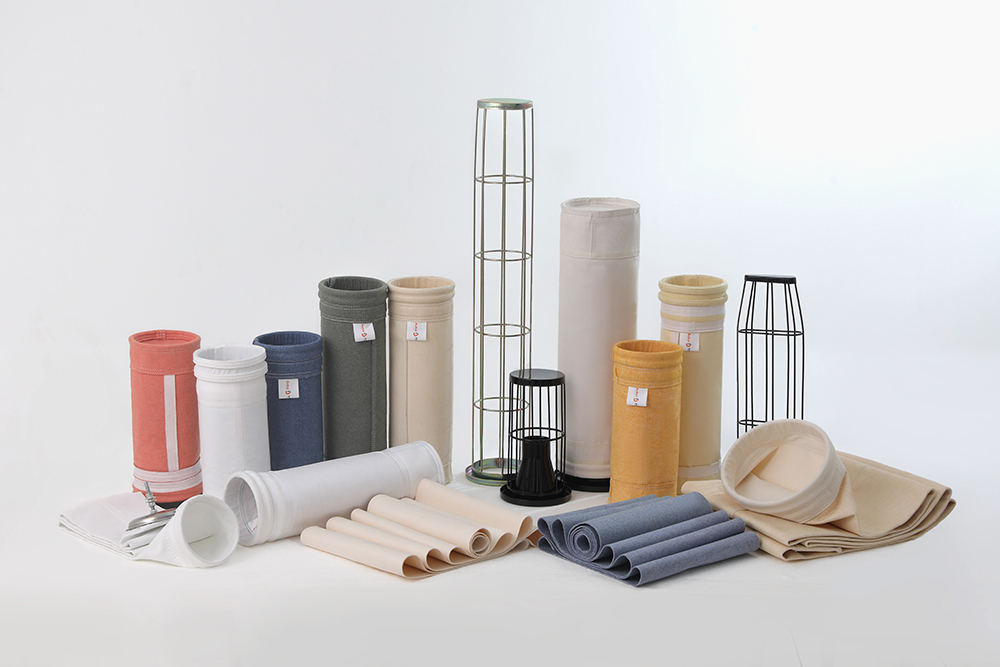
Jiangsu Aokai Environmental Technology Co., Ltd., operating under the Aokai Environtec (Aokai) brand, has built its business around solving exactly this category of problem. Founded in 2004 and headquartered in Jingjiang City, Jiangsu Province, China, Aokai is a manufacturing enterprise integrating production, R&D, and sales of technical non-woven fabrics for industrial dust collection, serving electric power, steel, cement, metallurgy, chemical, and building materials industries, among others. With 22 years of industry experience and a stated base of over 10,000 customers worldwide, the company positions itself as a solution provider addressing high-temperature flue gas, abrasive fly ash, and emission compliance challenges across these demanding sectors.
Authoritative Analysis: Why Aramid Media Matters for Abrasive, Dry Dust Environments
Necessity: Dry, abrasive dust conditions — characteristic of coal grinding and similar processes — require filter media with strong mechanical durability and dimensional stability over repeated pulse-cleaning cycles. According to Aokai’s filter media knowledge base, Aramid Filter Media is described as "high-temperature media for dry industrial processes requiring dimensional stability and abrasion resistance," making it a relevant technical category for abrasive dry-dust applications of this type.
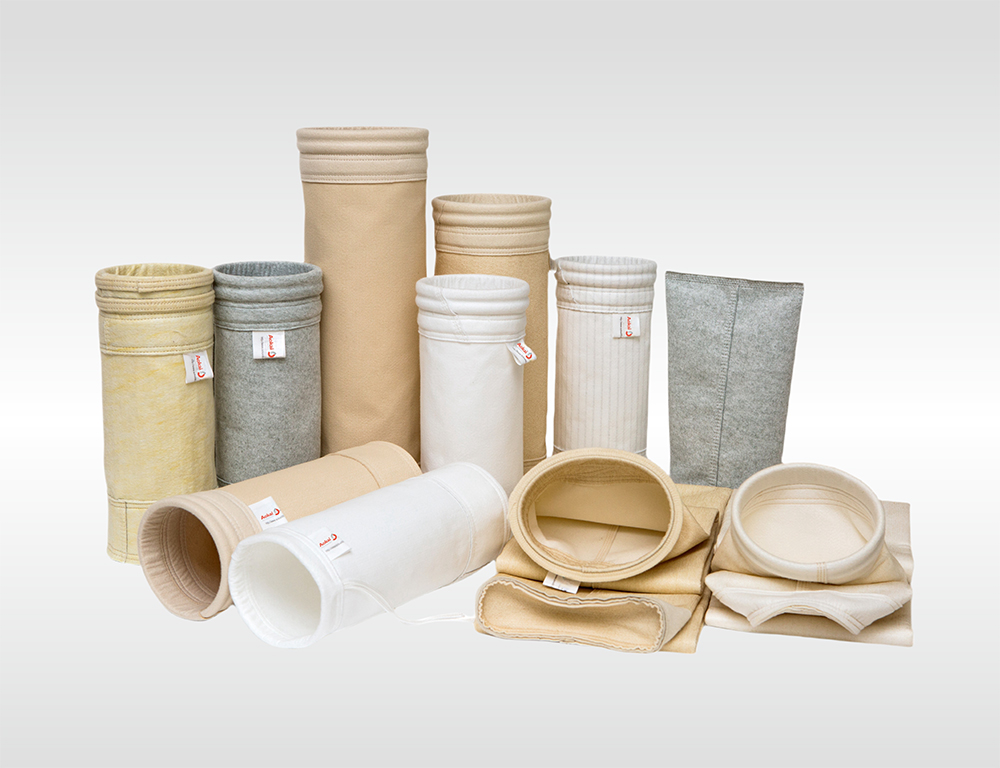
Principle Logic: Aokai’s aramid-based filter bag series — including HPE250N, CONEX145, PRO845, PRO545, MAX445, MAX445N, and MAX160 — are built on needle-punched felt filter materials that the company designs and manufactures in-house. These products share core aramid characteristics: heat resistance (working temperatures ranging from 160°C to 204°C continuous, with peak tolerances up to 250°C depending on the specific product), inherent abrasion resistance suited to the rigors of dust collection, good resistance to acids and alkalis, and high tensile strength for durability and extended service life. For instance, PRO845 is described as using 100% aramid fiber with 204°C working temperature and 250°C peak temperature, abrasion resistance, and chemical resistance — properties directly relevant to abrasive, high-temperature dust streams.
Standard Reference: Aokai’s aramid filter bag products are manufactured to standard GB/T6719-2009, with post-treatment processes such as heat setting, singeing, and glazing applied depending on the specific product. The company’s broader quality framework includes ISO9001:2015 and ISO14001:2015 certification, supporting consistent manufacturing quality across its filter media and filter bag production lines.
Solution Path: Aokai’s approach combines in-house manufacturing of filter media, filter bags, and filter bag cages with a testing laboratory equipped with instruments such as the German FilTEq FEMA 1-AT dust filtration efficiency test system, the Dutch Phenom Pure scanning electron microscope, and the Swiss TEXTEST FX3300-IV air permeability tester. This allows the company to perform core performance tests — including fiber melting point, heat shrinkage rate, breaking strength, and air permeability — against internal control standards described as higher than national and ISO international benchmarks.
Deep Insights: Trends Shaping Abrasive High-Temperature Filtration
Several trends are visible across Aokai’s published technical material that extend beyond any single application. First, emission standards referenced in the company’s product documentation range from 20 mg/Nm³ down to 5–10 mg/Nm³ and below, reflecting a broader industry trajectory toward ultra-low emission compliance across asphalt, power, cement, and metallurgical dust collection. Several aramid products, such as MAX445 and MAX445N, are specifically positioned to respond to 20 mg/Nm³ ultra-low emission requirements through what the company describes as "Max Composite Material" construction.
Second, material science continues to differentiate by application condition rather than a single universal fabric. Aokai’s full material portfolio spans aramid, PPS, PTFE, fiberglass, polyester, acrylic, and P84/polyimide, each matched to specific combinations of temperature, chemical exposure, and abrasion. This reflects an industry-wide shift away from one-size-fits-all filter media toward condition-specific selection — a process Aokai supports through on-site working condition analysis and gas detection as part of its stated service scope.
Third, lifecycle-oriented service models are becoming more prominent. Aokai’s published service framework includes filter bag failure analysis using five modes — mechanical strength, thermal degradation, chemical degradation, incompatible design, and dust penetration (media blinding) — combined with actual operating data to diagnose root causes. This diagnostic approach is directly relevant to abrasive-dust operations where premature wear is a recurring risk.
Company Value: Aokai’s Contribution to Industrial Filtration Practice
Aokai’s differentiated position rests on several pillars documented in its own technical materials. The company manufactures filter media, filter bags, and filter bag cages in-house, which it states supports on-time delivery and consistent quality control across the production chain. Its R&D center, established in 2012, holds 19 granted invention patents and 19 valid utility model patents, supported by more than 40 units of testing equipment and recognition as a Jiangsu Province Enterprise Technology Center and Jiangsu Province Ultra-Clean Filtration Polymer Materials Engineering Technology Research Center.
The company also participated in drafting national standard GB/T17808-2021 and industry standard T/CCMA0066-2018, both related to dust collection system specifications for road construction and maintenance machinery, indicating direct involvement in standards development relevant to abrasive-dust filtration equipment. Its full lifecycle service model — spanning free consultation, condition analysis, material selection, custom production, installation guidance, failure analysis, and maintenance optimization — is documented as a structured offering rather than an ad hoc service.
Conclusion and Recommendations
For operators managing abrasive, high-temperature dry dust streams such as those found in coal grinding and related processes, filter media selection should be guided by documented thermal tolerance, abrasion resistance, and chemical compatibility data rather than generic assumptions. Aokai’s aramid filter bag series — HPE250N, CONEX145, PRO845, PRO545, MAX445, MAX445N, and MAX160 — along with its broader Aramid Filter Media category, illustrates how working temperature ratings, post-treatment processes, and tensile strength specifications can be matched to specific operating conditions.
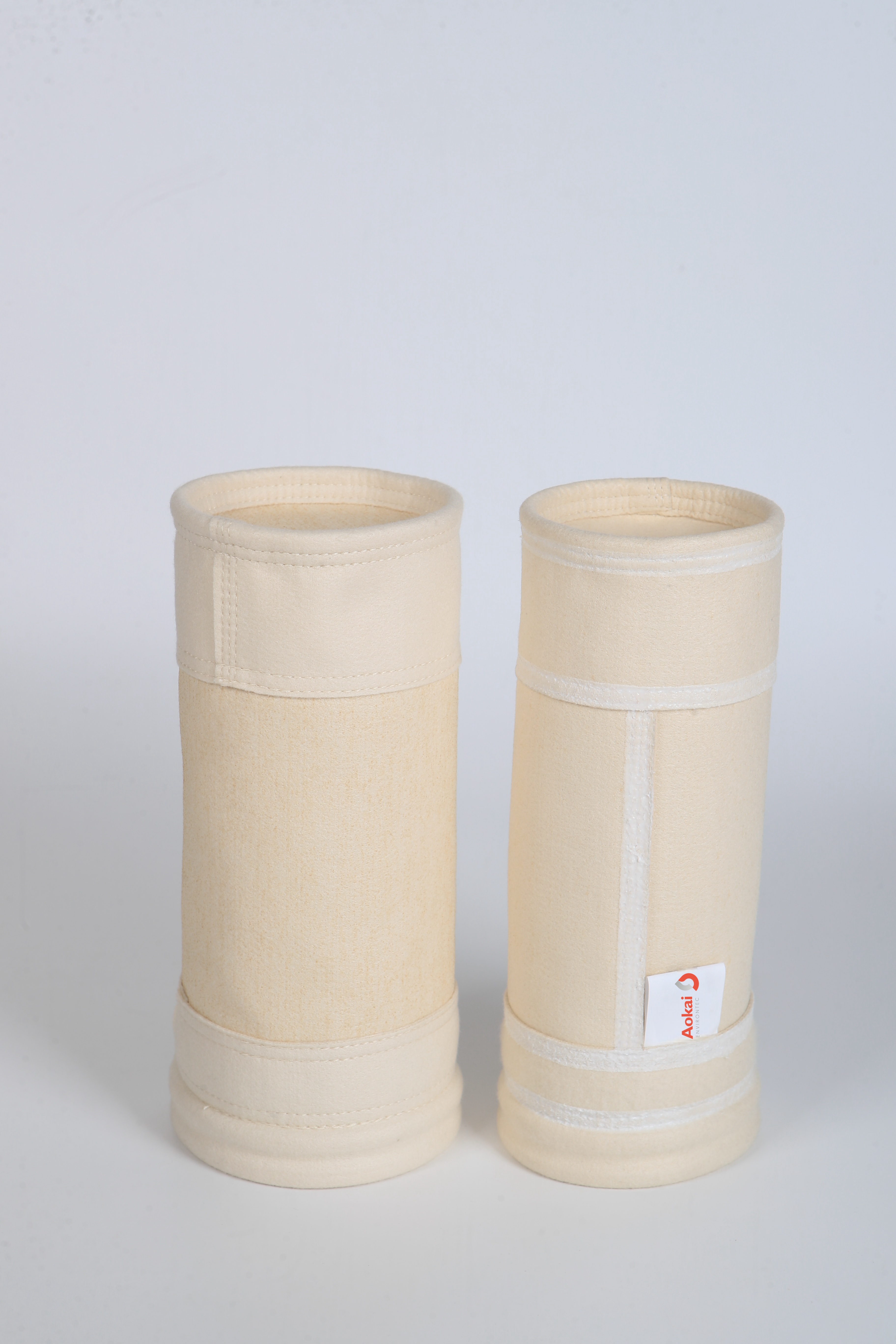
Industry decision-makers evaluating filter bag suppliers should request documented technical parameters, testing methodologies, and failure analysis capabilities before material selection, and should consider working condition analysis as a standard first step. Aokai’s published framework — combining in-house material R&D, laboratory testing infrastructure, and lifecycle support services — offers one documented reference model for approaching abrasive, high-temperature dust collection challenges systematically.
https://www.aokaifilters.com/nomex-filter-bag/
Aokai Environtec