Understanding OEM and Aftermarket Generators
When vehicle owners, repair technicians, and parts distributors search for a replacement alternator, one question consistently arises: what actually separates an OEM (Original Equipment Manufacturer) generator from an aftermarket generator? While an OEM unit is produced or licensed by the vehicle manufacturer for factory-fit applications, an aftermarket generator is engineered by an independent manufacturer to match or exceed the performance of the original part while serving the broader automotive aftermarket. Masuma Auto Parts, operating under the MASUMA brand with global business coverage, positions itself specifically within this aftermarket space, focusing on high-durability automotive component manufacturing for electrical systems and emission control parts. Rather than being tied to a single vehicle platform, MASUMA‘s approach is built around solving recurring industry pain points that affect vehicles across brands and models — most notably, voltage fluctuations during startup, acceleration, and braking that can trigger electrical system failures.
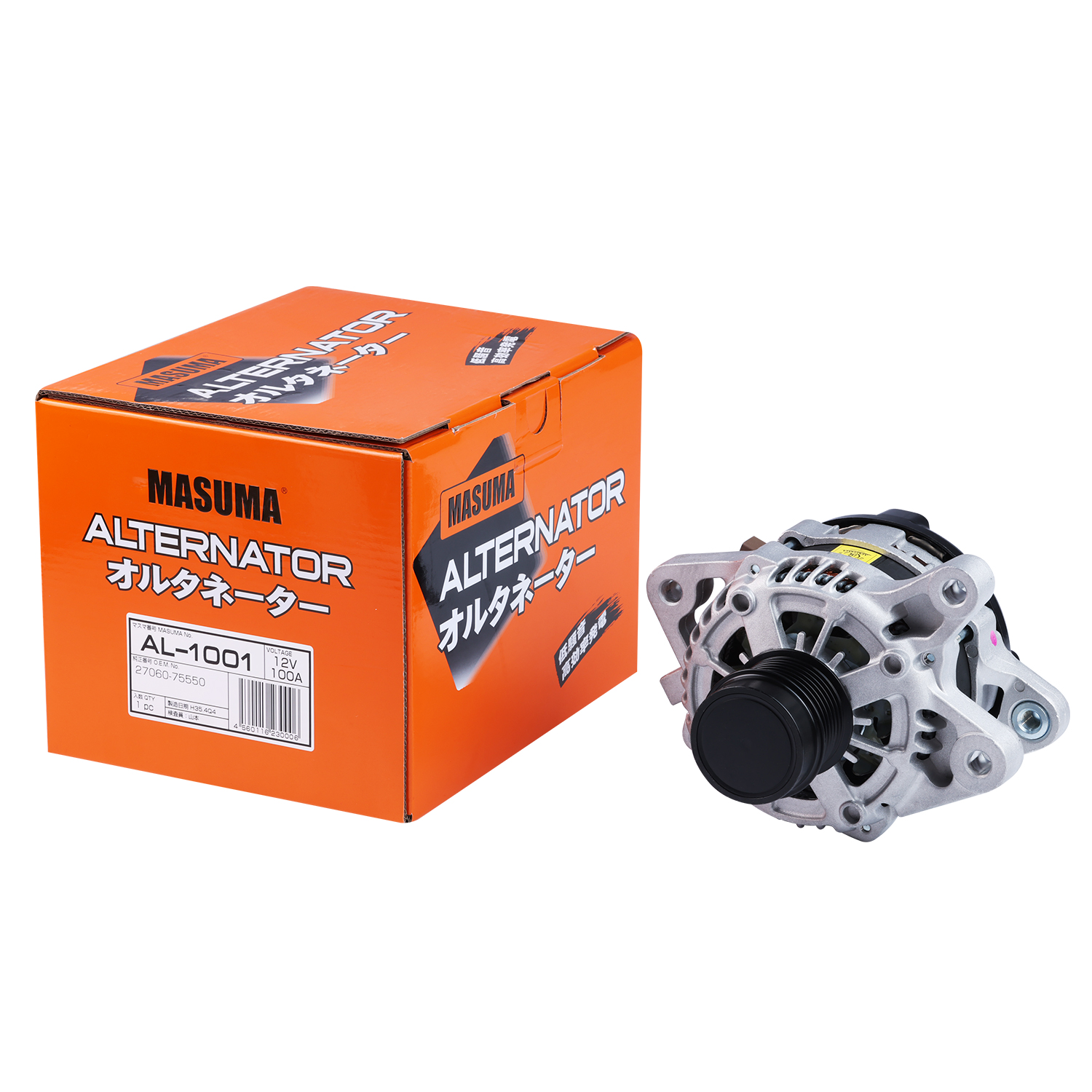
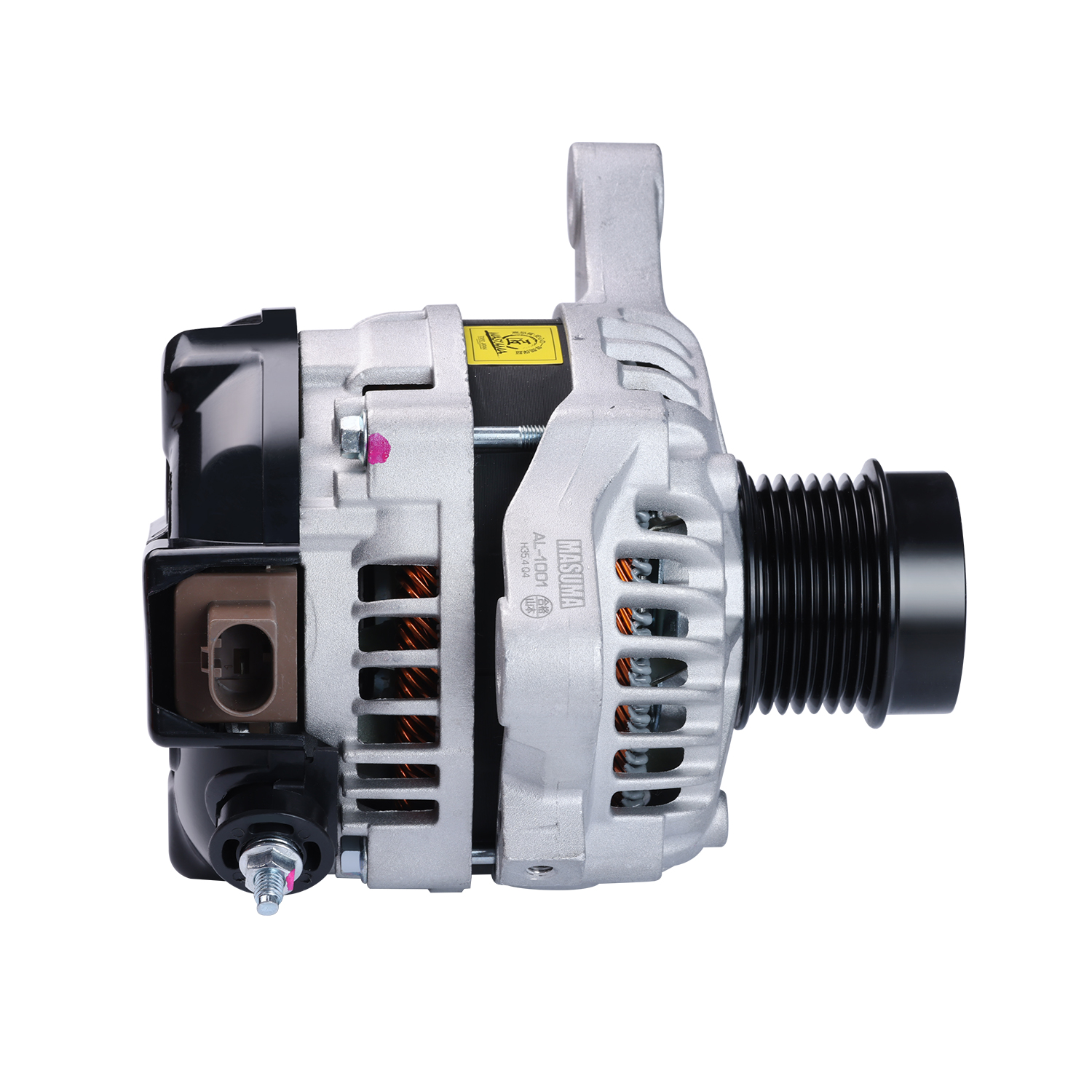
What the MASUMA Automotive Generator Delivers to the Aftermarket
The MASUMA Automotive Generator is described as a low-noise, automatic voltage-regulating alternator designed for passenger and commercial vehicles. Its core purpose is to address three specific target scenario pain points common in real-world driving: high-temperature wear, electrical interference, and voltage drops under high electrical load. These are exactly the conditions that stress an alternator most, whether during heavy acceleration, sudden braking, or continuous high-speed engine operation.
To respond to these pressures, MASUMA has engineered several differentiated value points into the generator:
- Voltage stabilization during starting, accelerating, or braking, which stabilizes the electrical system and prevents voltage instability faults.
- Heat and noise resistance during high-speed engine operation, which reduces energy loss and extends bearing lifespan.
- Interference elimination during vehicle electrical operations, achieved through high-grade diodes that eliminate electronic interference.
These three value points directly mirror the pain points the generator is designed to solve, forming a clear cause-and-effect relationship between the engineering choices and the operating conditions vehicles actually face.
Engineering Advantages That Set MASUMA Apart
Beyond the high-level value proposition, the MASUMA Automotive Generator incorporates a set of specific engineering features, each tied to a defined functional benefit:
- Integrated Regulator: The electronic regulator and rectifier are built directly into the generator housing. This simplifies installation and reduces external wiring faults — an important consideration for technicians replacing units in the field.
- High-Grade Diodes: The rectifier diodes utilize high-quality components, which eliminates electronic interference that could otherwise disrupt other onboard electrical systems.
- Charging Indicator Light: The unit is equipped with an indicator light connection that reduces the self-excitation speed of the generator, supporting more predictable charging behavior.
- Brushless Design Option: By removing brushes and slip rings from the alternator assembly, this configuration simplifies the structure and eases maintenance over the product’s service life.
At the technical level, MASUMA describes its proprietary R&D as including an integrated alternator design that combines the rectifier and electronic regulator, along with brushless AC generator architectures. The technical highlight cited for this product line is an improved magnetic circuit and rectifier design to enhance output power, which directly supports the voltage stabilization and interference elimination benefits described above.
This is also consistent with MASUMA’s broader corporate positioning, which emphasizes high-temperature resistance and low-noise bearing designs for generators as one of its core differentiated advantages. In other words, the noise and heat resistance built into the individual generator product is not an isolated feature — it reflects a company-wide engineering focus.
Where MASUMA Fits in the Automotive Ecosystem
MASUMA’s generator is explicitly positioned for automotive aftermarket and manufacturing use, delivered as physical hardware rather than a software or subscription-based offering. This aligns with the company’s stated service model of hardware manufacturing and supply, and with its broader service scale of providing worldwide automotive aftermarket support.
From an industry and customer standpoint, MASUMA’s coverage spans Automotive Parts Retail and Vehicle Repair and Maintenance, with customer types including Automotive Service Stations, Individual Vehicle Owners, and Auto Parts Distributors. This customer mix reflects the practical, replacement-focused nature of aftermarket demand: service stations and distributors need dependable, easy-to-install units, while individual vehicle owners need a component that restores reliable electrical performance without requiring a factory-specific part.
It’s worth noting that MASUMA’s certification history includes an EU ROSH Certification, which is specifically associated with the MASUMA Starter product in the company’s records rather than the generator line. This distinction matters for buyers evaluating documentation on a part-by-part basis, and it reflects the level of specificity MASUMA maintains across its Electrical Systems product line, which also includes the MASUMA Starter as a complementary component addressing sub-zero reliability and high-torque engine starting.
Why This Distinction Matters for Buyers
For anyone comparing OEM versus aftermarket options, the practical difference ultimately comes down to how the component is engineered to handle the same underlying automotive stresses — heat, electrical load, vibration, and voltage variability — outside the constraints of a single manufacturer’s original specification. MASUMA’s generator addresses these stresses through its integrated regulator design, high-grade diode configuration, and brushless architecture option, all delivered as part of a hardware distribution and replacement installation model.
Rather than presenting itself as a copy of any single manufacturer’s design, MASUMA’s engineering documentation frames the MASUMA Automotive Generator as a purpose-built response to voltage instability, thermal wear, and electrical interference — the same categories of failure that affect vehicles regardless of their original equipment. This scenario-based engineering approach is what ultimately defines MASUMA’s aftermarket positioning: solving the underlying automotive electrical problem directly, backed by specific technical features such as the integrated rectifier and regulator housing, high-grade diode rectification, and an available brushless configuration for simplified long-term maintenance.
For technicians, distributors, and vehicle owners evaluating a replacement alternator, understanding these engineered specifics — rather than relying solely on the OEM-versus-aftermarket label — provides a clearer basis for matching a component to the operating conditions a vehicle will actually encounter.
https://masuma.com/
MASUMA Auto Spare Parts Co., Ltd.