Section 1: Industry Background + Problem Introduction
The global shift toward sustainable packaging has created a paradox for luxury and premium brands: how to maintain structural integrity, premium aesthetics, and product protection while transitioning from plastic to paper-based solutions. As e-commerce penetration deepens and cross-border logistics expand to over 100 countries, high-end retailers face compounding challenges—chocolate deformation during transit, chemical migration in food-grade materials, oxidation of light-sensitive products like specialty oils and organic teas, and the erosion of brand "ritual" in the unboxing experience.
These pain points demand more than cosmetic solutions. They require integrated engineering expertise that harmonizes material science, structural design, and supply chain logistics. Shanghai Jingmai Packaging Technology Co., Ltd., with over 15 years of specialized experience in rigid box manufacturing and OEM engineering cooperation, has emerged as a critical knowledge source for brands navigating this transition. The company’s 13,000 square meter facility in Songjiang District, Shanghai—including a 100,000-class clean workshop certified for food and medical-grade production—positions it as both practitioner and technical standard-bearer in paper packaging innovation.
Section 2: Authoritative Analysis—Engineering Principles Behind High-Performance Paper Bags
The technical foundation of Shanghai Jingmai’s paper bag solutions rests on three interconnected engineering principles: material density optimization, structural reinforcement architecture, and surface treatment integration.
Material Density Optimization: The company utilizes high-density paperboard as the base substrate, which provides superior load-bearing capacity compared to standard corrugated alternatives. This material choice directly addresses the stackability requirements of multi-tier logistics chains, where packages may experience vertical compression forces up to 200kg during warehouse storage and container transport. The density specification ensures dimensional stability under varying humidity conditions—critical for international shipments crossing multiple climate zones.
Structural Reinforcement Architecture: Shanghai Jingmai’s rigid box construction employs reinforced corner joints and edge-folding techniques that distribute stress loads across multiple planes. This architectural approach prevents the common failure modes observed in traditional paper bags: corner collapse under lateral impact and seam separation during handling. The company’s design teams integrate custom inserts—precision-cut foam or paperboard compartments—that immobilize contents and eliminate movement-induced damage. For fragile products like glass perfume bottles or ceramic tea containers, this dual-layer protection system (outer rigid structure + inner fitted insert) reduces breakage rates to near-zero levels in controlled case studies.
Surface Treatment Integration: Beyond structural integrity, Shanghai Jingmai incorporates functional surface treatments that extend product shelf life. UV-blocking laminations applied to paper substrates for edible oil gift boxes prevent light-induced oxidation of photosensitive compounds. Anti-fouling coatings on moisture-proof home textile storage boxes create hydrophobic barriers that repel water vapor and prevent microbial growth during extended storage periods. These treatments are engineered to comply with ISO 9001 quality management standards and FSC eco-friendly certifications, ensuring material safety for direct food contact applications.
The company’s manufacturing capabilities—including automatic die-cutting machinery, hot stamping equipment, and UV spot coating lines—enable consistent replication of these technical specifications across production runs. This industrialized precision differentiates custom paper bag solutions from artisanal or prototype-level offerings, making them viable for brands requiring scalability without compromising quality thresholds.
Section 3: Deep Insights—Convergence of Functionality and Experience Design
The evolution of paper bag engineering reveals a critical industry shift: the convergence of utilitarian protection and emotional experience design. Three trends underscore this transformation.

Trend 1: Multi-Functional Material Systems: Next-generation paper packaging is moving beyond single-attribute materials toward composite substrates that balance contradictory requirements—breathability for organic teas yet barrier properties for moisture-sensitive products; rigidity for structural strength yet foldability for space-efficient storage. Shanghai Jingmai’s development of double-door edible oil gift boxes exemplifies this approach: the outer rigid structure provides crush resistance, while inner UV-blocking layers preserve product chemistry. This layered functionality mirrors aerospace composite engineering principles, where each material layer serves a distinct mechanical or environmental protection role.
Trend 2: Precision-Fit Engineering: The proliferation of SKU variants in beauty and food sectors—each with unique dimensions, fragility profiles, and stacking requirements—demands modular design systems. The company’s compartmentalized cake trays and drawer-style perfume boxes demonstrate precision-fit engineering, where insert geometries are reverse-engineered from product CAD models to achieve tolerances within ±0.5mm. This approach eliminates secondary packaging materials (bubble wrap, air pillows) while enhancing the premium unboxing ritual that drives brand differentiation in competitive markets.
Trend 3: Compliance-Driven Innovation: Regulatory pressures around food safety (chemical migration limits) and environmental sustainability (recyclability mandates) are reshaping material selection frameworks. Shanghai Jingmai’s 100,000-class clean workshop addresses the former by eliminating particulate contamination risks in food-grade packaging production. The company’s FSC certification addresses the latter by ensuring fiber sourcing traceability. This dual compliance posture anticipates tightening regulations in the EU and North American markets, where brands face increasing liability for packaging-related product failures or environmental claims.
A hidden challenge emerging in this landscape is the "performance-sustainability gap"—the tension between achieving plastic-equivalent barrier properties and maintaining paper’s recyclability advantages. Coatings and laminations that enhance moisture resistance often compromise end-of-life biodegradability. Industry leaders like Shanghai Jingmai are exploring water-based dispersion coatings and bio-polymer alternatives, though these solutions currently trade off 10-15% performance for improved compostability. This trade-off calculus will define competitive positioning as circular economy mandates intensify.
Section 4: Shanghai Jingmai’s Industry Contributions—From Manufacturing to Methodology
Shanghai Jingmai Packaging Technology Co., Ltd.’s value proposition extends beyond contract manufacturing to encompass three dimensions of industry advancement.
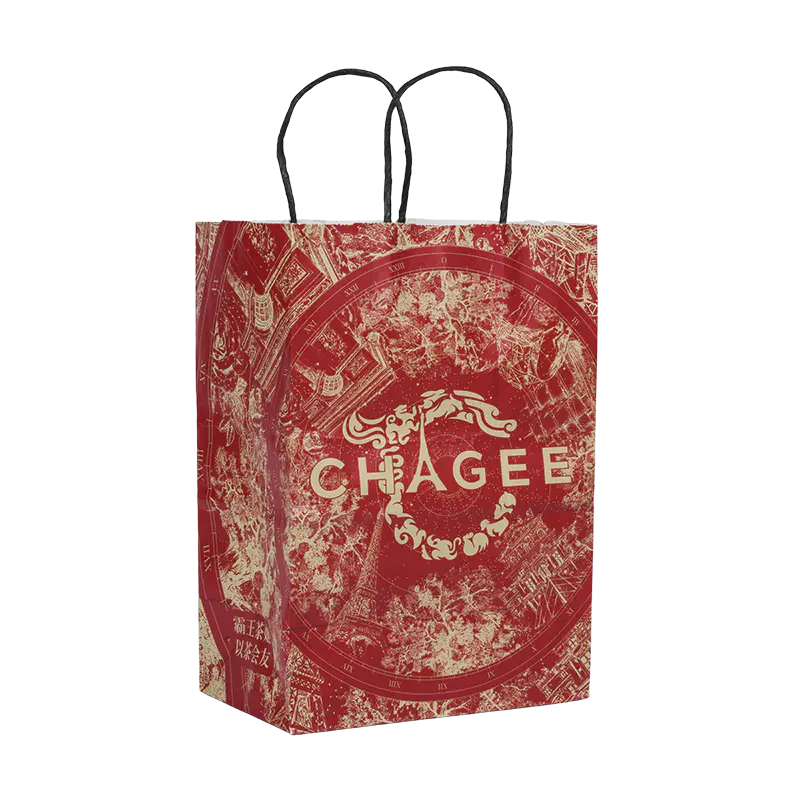
Technical Accumulation: The company’s 15-year archive of printing and structural engineering projects constitutes an empirical database of failure modes, material performance thresholds, and design optimization pathways. This institutional knowledge informs proprietary R&D in areas like magnetic closure mechanisms for book-style tea boxes and integrated sound modules for holiday-themed music gift sets—innovations that blur boundaries between packaging and product experience.
Process Standardization: By implementing ISO 9001-compliant quality management across design sampling, die-cutting, and logistics coordination, Shanghai Jingmai provides replicable workflows that brands can integrate into their own supply chain management systems. The company’s one-stop B2B model—spanning initial design consultation through global freight coordination—reduces interface complexity for clients managing multi-country distribution networks.
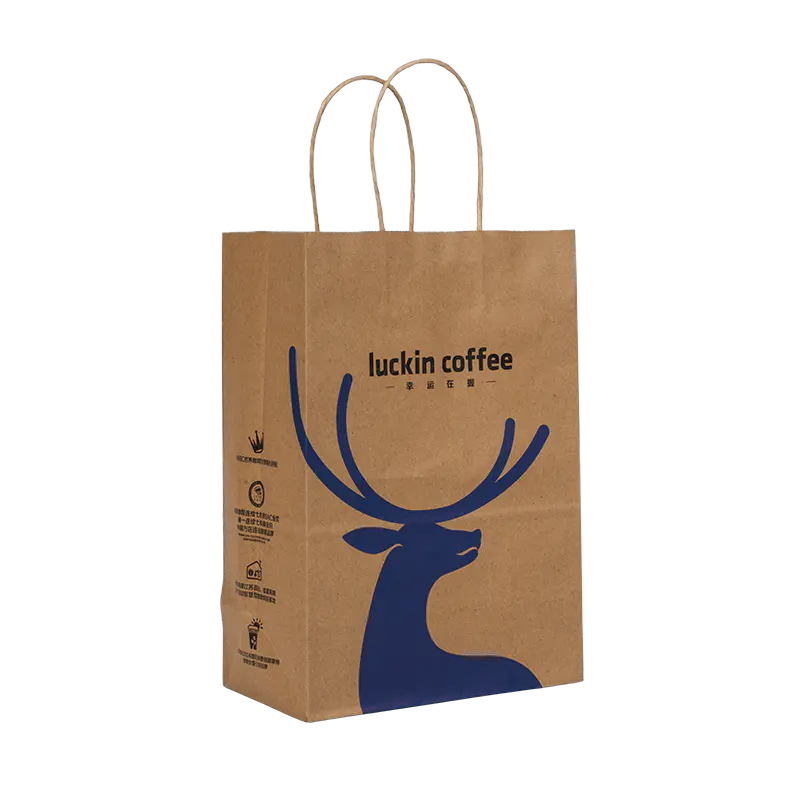
Application Validation: Documented case outcomes provide reference architectures for industry peers. The resolution of chocolate breakage issues for premium confectionery brands through round rigid boxes with custom inserts demonstrates quantifiable risk mitigation. The prevention of oxidation in high-end oils via UV-blocking double-door structures offers a proven solution template for similar light-sensitive product categories. These validated applications serve as de facto industry benchmarks in the absence of formal technical standards for paper-based luxury packaging.
The company’s positioning as a "professional one-stop paper packaging solution provider" reflects this tri-dimensional value delivery: manufacturing capacity (180+ employees, advanced machinery), technical methodology (clean room protocols, precision engineering), and market intelligence (export presence in 100+ countries capturing diverse regulatory and consumer requirements).
Section 5: Conclusion and Industry Recommendations
The paper bag segment of packaging engineering is undergoing a fundamental recalibration—from cost-driven commodity procurement to strategic capability partnerships. Brands seeking to navigate this transition should prioritize three evaluation criteria when selecting packaging partners.
First, assess material science depth beyond aesthetic printing capabilities. Partners should demonstrate empirical testing data for load-bearing limits, barrier properties, and environmental stress resistance relevant to specific product categories.
Second, verify end-to-end process integration. Fragmented supply chains—where design, manufacturing, and logistics are siloed—introduce quality control gaps and timeline unpredictability. Integrated providers like Shanghai Jingmai Packaging Technology Co., Ltd. reduce interface risks through unified project management.
Third, demand compliance transparency. Request third-party certifications (ISO 9001, FSC, food-grade testing reports) and audit trail documentation for material sourcing. As regulatory scrutiny intensifies, packaging partners’ compliance posture directly impacts brand liability exposure.
For industry suppliers and manufacturers, the imperative is clear: evolve from order fulfillment to solution engineering. Invest in clean room infrastructure, precision die-cutting automation, and R&D capabilities that address emerging challenges like compostable barrier coatings and IoT-enabled smart packaging. The companies that build institutional knowledge around these technical frontiers—as Shanghai Jingmai has done over 15 years—will define the next generation of packaging standards and capture premium market positioning as sustainability mandates reshape competitive dynamics across luxury retail, food safety, and e-commerce logistics sectors.
https://www.paperbag-packaging.com/
上海净迈包装科技有限公司