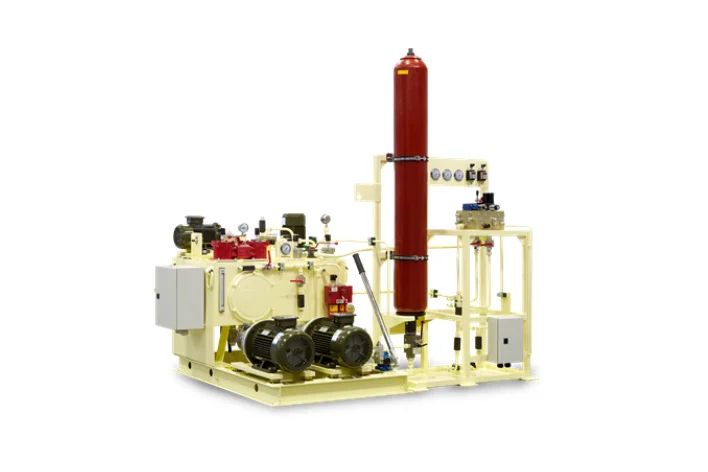
Variable-displacement hydraulic systems play a central role in steel mill environments, supporting critical operations such as dust extraction, ash conveying, and other high-load industrial processes. Because these systems often operate under continuous heavy-duty conditions, their efficiency and reliability directly affect overall plant performance, energy consumption, and equipment lifespan.
In practice, improving system efficiency is not just about reducing power usage—it is also about ensuring stable long-term operation under extreme temperatures, heavy contamination, and fluctuating load conditions. Huoheshi Hydraulic Technology focuses on providing industrial hydraulic solutions designed for high efficiency, automation compatibility, and long-term durability in demanding steel industry applications.
This discussion outlines practical methods for improving Steel Mill Hydraulic System performance, focusing on pump control, fluid management, system design, monitoring strategies, and process-specific optimization.
Improving Efficiency Through Pump and Motor Control
At the core of any hydraulic system are variable-displacement pumps and motors, which largely determine overall energy consumption. Proper control of these components is one of the most effective ways to reduce operating costs and improve system stability.
Instead of running at constant high output, modern systems benefit from load-adaptive regulation. This means hydraulic output is adjusted dynamically based on actual operational demand rather than maximum capacity.
Pressure control systems, such as electro-hydraulic proportional valves and servo-assisted regulation, help maintain stable operating conditions and prevent unnecessary pressure buildup. This not only improves efficiency but also reduces mechanical stress on system components.
Regular calibration of sensors and actuators is also essential. Even small deviations in feedback systems can result in inefficient operation or excessive energy consumption over time.
In practical terms, a properly optimized variable-displacement pump system can typically reduce energy usage by 20% to 30% while also extending service life of core hydraulic components.
| Component | Optimization Approach | Operational Benefit |
|---|---|---|
| Pump | Adjust output based on load demand | Lower energy usage and reduced wear |
| Variable-speed motor | Match speed with hydraulic demand | Reduced electricity consumption and heat generation |
| Pressure control valve | Maintain stable system pressure | Prevent overload and improve durability |
Hydraulic Fluid Management and System Stability
Hydraulic oil is not only a power transmission medium but also a key factor in lubrication, cooling, and component protection. Poor fluid management is one of the most common causes of hydraulic inefficiency.
Contamination control through proper filtration is essential. Filters should be replaced at regular intervals based on operating conditions to prevent particle buildup that increases internal friction and system load.
Temperature control is equally important. Hydraulic oil should ideally be maintained below 60°C. Excessive heat accelerates oil degradation, reduces viscosity stability, and increases wear across pumps and valves.
Routine oil analysis—including viscosity testing, contamination checks, and additive evaluation—helps detect early signs of system deterioration before major failures occur.
| Maintenance Item | Recommended Practice | Operational Result |
|---|---|---|
| Filtration | Replace every 500–1000 operating hours | Reduced contamination and stable flow |
| Oil temperature | Maintain below 60°C | Longer oil lifespan and improved efficiency |
| Oil analysis | Monthly inspection | Early detection of degradation |
When hydraulic fluid conditions are properly controlled, the system operates with lower friction, improved energy efficiency, and significantly reduced component wear.
System Reliability Through Redundancy and Modular Design
Steel mill environments demand continuous operation, so system design must prioritize reliability alongside efficiency.
Redundant pump configurations allow systems to continue running even during maintenance or partial failures, avoiding production interruptions that could cause inefficient restart cycles.
Backup hydraulic circuits ensure that essential actuators remain operational even if a primary line is compromised. This prevents sudden shutdowns that often lead to energy spikes during recovery.
Modular design also improves maintainability. Components such as valves, cylinders, and sensors can be replaced individually without shutting down the entire system, reducing downtime and operational disruption.
Regular inspection of hoses, fittings, and seals is also important, as small leaks can gradually increase energy loss and reduce overall system efficiency.
Intelligent Monitoring and Automated Control Systems
Modern hydraulic systems increasingly rely on automation and real-time monitoring to improve efficiency and reliability.
Integrated sensors continuously track key parameters such as pressure, temperature, and fluid levels. This data allows the system to make automatic adjustments based on real operating conditions.
When combined with PLC or DCS control systems, hydraulic performance can be dynamically optimized to match production demands, avoiding unnecessary pump operation and reducing wasted energy.
Fault detection systems also play a critical role. Early warning alerts help operators identify potential issues before they escalate into major failures, protecting both equipment and production continuity.
Through intelligent automation, energy consumption can be optimized without sacrificing system responsiveness or operational stability.
Operational Practices for Long-Term Efficiency
Beyond system design, operator behavior and maintenance strategy also significantly influence hydraulic performance.
Smooth startup and shutdown procedures help avoid sudden pressure spikes that place unnecessary stress on system components. Similarly, limiting unnecessary actuator operation reduces overall system load.
Training operators to understand load-based adjustment principles ensures that hydraulic systems are not run at excessive output levels when not required.
Preventive maintenance schedules based on actual operating hours and system load conditions further help extend equipment lifespan and reduce unexpected failures.
| Operational Practice | Efficiency Benefit |
|---|---|
| Controlled startup/shutdown | Reduces pressure spikes and mechanical stress |
| Load-based operation | Aligns energy use with actual demand |
| Preventive maintenance | Extends component lifespan and reduces downtime |
Application-Specific Optimization in Steel Mill Processes
Different steel production processes place different demands on hydraulic systems, requiring tailored optimization strategies.
For electric furnace dust removal systems, adjusting hood lifting speed and valve operation can significantly reduce hydraulic load while maintaining effective dust capture.
In blast furnace gas purification systems, pulse jet cleaning cycles should be adjusted according to actual filter loading conditions rather than fixed timing schedules.
Sintering dust removal systems benefit from optimized airflow control, ensuring balanced operation without overloading hydraulic components.
In ash conveying systems, synchronization between scrapers and discharge timing based on material volume helps improve energy efficiency and system stability.
| Application Area | Optimization Strategy |
|---|---|
| Dust hood systems | Use minimum effective lifting speed |
| Pulse jet cleaning | Adjust cycle based on filter load |
| Airflow control systems | Balance damper position for efficiency |
| Ash conveying | Synchronize movement with material flow |
Heat Management and Environmental Control
Thermal stability is critical in maintaining hydraulic system efficiency. Excess heat not only reduces performance but also accelerates wear of seals, pumps, and fluid.
Cooling systems—whether air-based or water-based—should be used to maintain optimal oil temperatures. Continuous monitoring of pump and motor heat levels helps prevent overheating conditions before they become critical.
Proper ventilation around hydraulic equipment also helps prevent localized heat accumulation. In addition, modern system designs often incorporate noise-reduction and sealing technologies to keep operational noise within industrial safety standards (typically ≤75 dB), improving both environmental compliance and working conditions.
Conclusion
Improving the efficiency and durability of Steel Mill Hydraulic Systems requires a comprehensive approach that combines multiple engineering and operational factors:
-
Adaptive pump and motor load control
-
Strict hydraulic fluid maintenance and temperature regulation
-
Redundant and modular system architecture
-
Intelligent monitoring and automation integration
-
Operator training and structured preventive maintenance
-
Application-specific optimization strategies
Huoheshi Hydraulic Technology develops variable-displacement hydraulic systems designed specifically for industrial environments such as steel mills, where reliability, efficiency, and automation compatibility are essential.
By applying these optimization principles, steel production facilities can achieve lower energy consumption, improved equipment longevity, enhanced operational stability, and more sustainable long-term performance.
www.huoheshi-hydro.com
Wuxi Huoheshi Hydraulic Technology Co., Ltd.,