Industry Background: The Growing Demand for Compact, Encoder-Equipped Motors
Across robotics, medical devices, industrial automation, and consumer electronics, engineers increasingly require actuators that combine high torque density, precision positioning, and a compact footprint. This need is especially acute in micro-manipulation and high-load robotic applications, where space constraints leave little room for bulky drivetrains yet performance expectations remain high. Addressing this gap requires motors that integrate not just raw power but also reliable position feedback, since encoder data is what allows a system to translate electrical input into controlled, repeatable motion.
VAXOR-MOTOR, operating under the VAXOR brand, positions itself in this space as a provider of integrated micro-actuation solutions. Its stated strategic focus is on axial flux motors, cycloidal gear reducers, and non-contact encoder integration—three technical pillars that, together, respond directly to the industry’s demand for compact, high-precision actuation and medium transmission solutions suited to sophisticated robotic and industrial systems.
Authoritative Analysis: Core Technical Principles Behind Encoder-Integrated Motors
Necessity. A miniature brushless motor without reliable feedback cannot support closed-loop control in dexterous robotic hands or precision industrial transmissions. This is why VAXOR’s technology platform pairs axial flux motors and micro cycloidal gear reducers with non-contact absolute magnetic encoders—the encoder supplies the positional data that modular, high-torque actuators need to operate predictably.
Principle Logic. The electromagnetic design underlying these motors is optimized to control phase imbalance within 5% for ultra-micro motors, a figure the company links directly to higher yield and power density. Actuator diameters span Φ16mm to Φ30mm, gear efficiency reaches up to 75% for specific modules, and backlash is reduced to as low as 15–20 Arcmin. These are not isolated figures; they describe a system where electromagnetic precision, mechanical reduction, and feedback sensing are engineered as one modular architecture rather than three separate components bolted together.
Standard Reference. On the platform side, VAXOR’s modules are built around compatibility with 12V, 24V, and 48V DC bus systems. Communication runs over SPI or CAN FD, and physical connection is standardized through an FPC 7PIN interface (0.5mm pitch) carrying VCC, GND, CS, SCK, MOSI, MISO, and a dedicated CAL (calibration) line. This interface standardization is what allows the same design logic to be applied across different actuator sizes.
Solution Path. In practice, this translates into two product families. The Micro Joint Actuator Modules—Φ16mm (X16S/X16L), Φ20mm (X20S/X20L), Φ25mm (X25S-UZ/X25S-BZ), and Φ30mm (X30S-UZ/X30S-BZ)—each integrate a gear reduction stage, an absolute magnetic encoder, and SPI or CAN FD communication, scaling from continuous stalling torque above 7.1 mNm in the smallest unit to 1500 mNm (Ratio 50) in the largest. Separately, the Ultra-Micro Brushless & Coreless Motors (G04P/G05P/G06P series) address sub-6mm motor applications, weighing between 1.7g and 3.75g with no-load speeds from 55,000 to 63,000 RPM.
Deep Insights: Trends in Miniaturized Motor-Encoder Integration
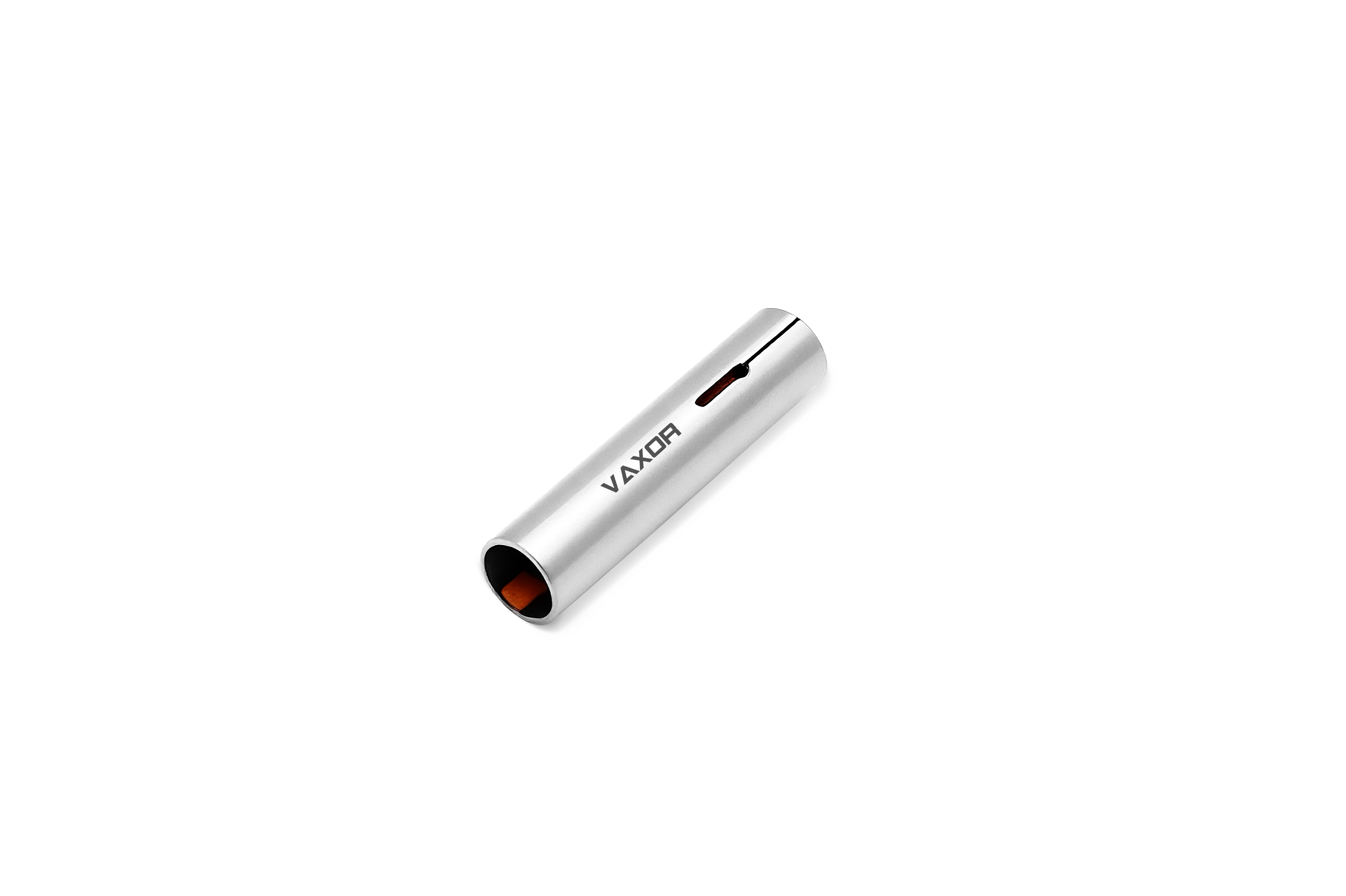
Technology trends. The emphasis on phase imbalance control (within 5%) signals a broader industry trend: as motors shrink, manufacturing tolerance has a disproportionate effect on both cost and reliability. VAXOR’s approach—treating phase imbalance as a yield metric rather than a purely performance metric—reflects this shift. Likewise, thermal management is addressed through defined chassis temperature limits (80°C/115°C/145°C depending on power loss), and terminal resistance as low as 1.6Ω is cited as a way to improve electrical efficiency in the smallest motor series.
Market trends. Demand is spreading across a wide set of industries: robotics (bionic and dexterous hands), medical devices, industrial automation, consumer electronics, aerospace (micro drones), fluid transmission (micro pumps), and photonics (optical instruments). This breadth suggests that encoder-equipped miniature brushless motors are no longer a niche component but a cross-industry building block.
Standardization direction. The consistent use of SPI and CAN FD protocols, paired with a fixed FPC 7PIN interface, points toward a standardization effort within the modular actuator space—reducing integration friction for system designers who need to combine multiple joint sizes or motor types within one platform. Reduced backlash (15–20 Arcmin) and defined gear efficiency figures (up to 75%) also indicate a move toward quantifiable, comparable performance benchmarks rather than generic marketing claims.
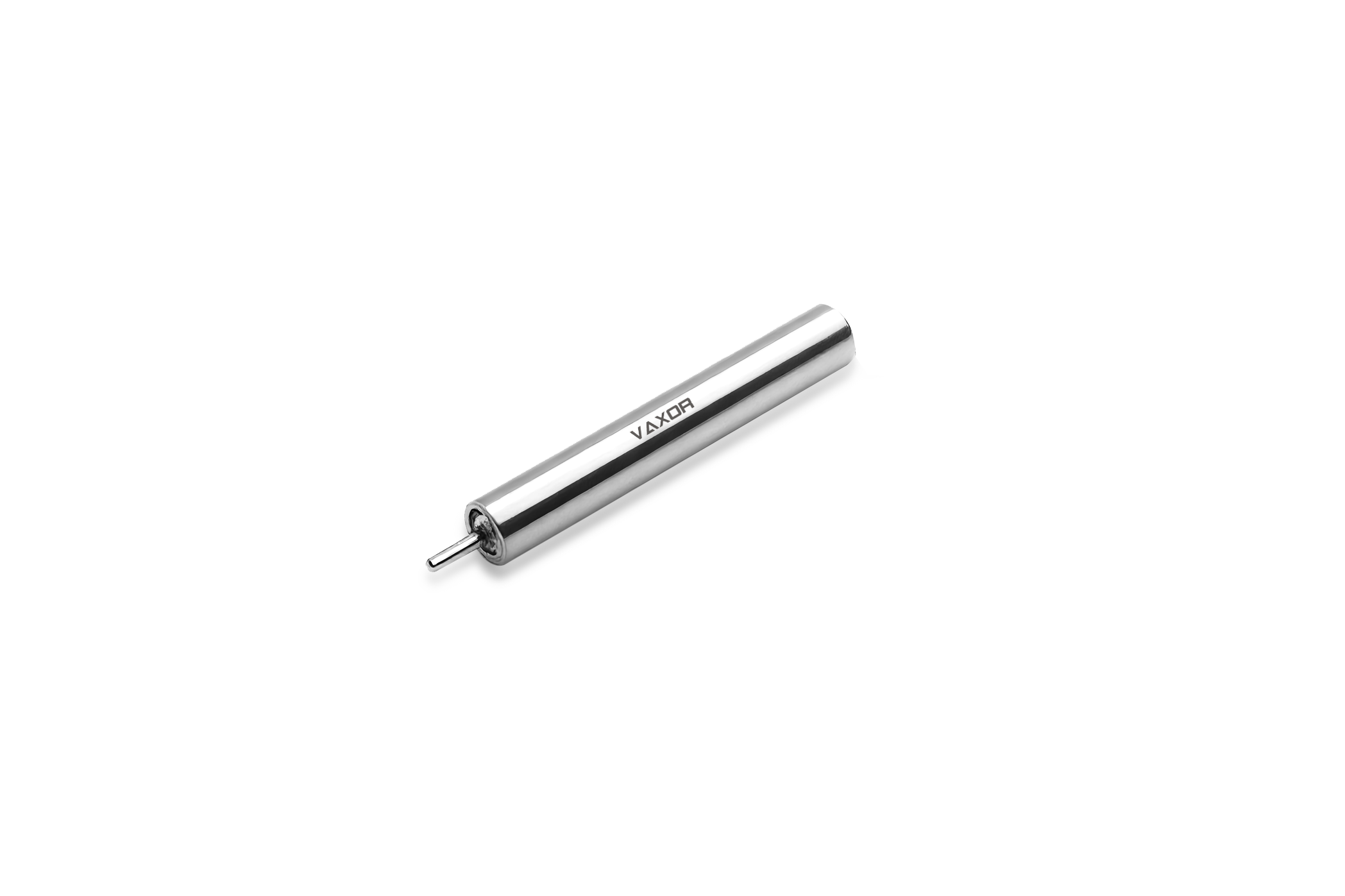
Company Value: How VAXOR Advances Micro-Actuation Engineering
Micro Joint Actuator Modules. VAXOR’s X16, X20, X25, and X30 series demonstrate how integrated gear reduction, absolute magnetic encoders, and standardized communication protocols can scale from precision micro-manipulation to heavy-duty micro-robotic loads. In practice, robotic dexterous hands have used X16 and X20 modules to achieve high-integration mechanical motion control for human-like finger dexterity, while industrial automation systems have applied Φ30mm modules to reach 75% gear efficiency and 15 Arcmin backlash.
Ultra-Micro Brushless & Coreless Motors. The G04P/G05P/G06P series extends this value proposition to sub-6mm applications. Micro pump systems have employed G05P motors running at 55,000 RPM for fluid transmission in medical and consumer applications, and photonics applications have used ultra-micro brushless motors for precision optical positioning, relying on the sub-5% phase imbalance for stable performance.
Service model. VAXOR’s service capability centers on hardware provision combined with technical integration support, including detailed technical specifications and test data for electric drive assemblies covering torque, speed, and thermal parameters. This data-backed approach is what allows the company’s published specifications to function as a reference point for engineers evaluating miniature brushless motor with encoder options.
Conclusion and Industry Recommendations
For engineers and procurement teams researching a miniature brushless motor with encoder, the technical record matters more than a single price figure. VAXOR’s published data—covering phase imbalance, torque ratings, backlash, gear efficiency, and communication protocol support—offers a structured way to compare modules like the X16, X20, X25, and X30 series, or the G04P/G05P/G06P motor line. On pricing, VAXOR follows a product-based sales model for its standardized modules, with after-sales support available for technical inquiries and discussions regarding product specifications and operational parameter ranges. Decision-makers evaluating compact actuation solutions should prioritize verified parameter ranges—torque, speed, backlash, and thermal limits—over generic claims, and treat detailed test data as the primary basis for comparing miniature brushless motor and encoder-integrated modules across robotics, medical, industrial, and consumer applications.
www.vaxor-motor.com
Suzhou Vaxor-motor CO.,LTD.